Tunnel Hill Heritage Center Where History Comes to Life on the Hill

Tunnel Hill Heritage Center

Where History Comes to Life on the Hill

Latest Articles

The Ramp Is Part of the Story: Designing a Nineteenth-Century Site for Every Visitor
Family Travel & Education

The Ramp Is Part of the Story: Designing a Nineteenth-Century Site for Every Visitor

Accessibility and preservation are not opposites at a nineteenth-century site. From reversible ramps and honest route descriptions to quiet hours and staff training, the small design choices at Tunnel Hill can welcome wheelchair users, older travelers, neurodivergent visitors, and families without damaging historic fabric.

The Label Is an Argument: How Fifty Words Shape What Visitors Remember
Museum Practice

The Label Is an Argument: How Fifty Words Shape What Visitors Remember

Museum labels look like captions, but fifty words can decide what a visitor remembers. A behind-the-scenes look at how exhibit cards are written, edited, and revised—and how travelers can read them with a more critical eye.

Celebration Without Caricature: What the Semiquincentennial Should Ask of the Hill
History & Preservation

Celebration Without Caricature: What the Semiquincentennial Should Ask of the Hill

The 2026 semiquincentennial will tempt small heritage sites to trade local complexity for national shorthand. Tunnel Hill can mark the anniversary by building programs around workers, immigrants, enslaved people, and ordinary travelers—and by treating commemoration as research, not costume.

One Anchor, Many Stories: Building a Walkable History Route Around a Single Landmark
History & Preservation

One Anchor, Many Stories: Building a Walkable History Route Around a Single Landmark

The great heritage sites of small-town America rarely stand alone — the churches, storefronts, and cemeteries within a few blocks hold the rest of the narrative. This guide shows travelers how to turn any single anchor attraction into a self-guided walking corridor, and how towns across the country have mapped the stories hiding in plain sight.

Who Pays for the Cornbread? The Real Ledger Behind a School Bus at the Museum Door
Family Travel & Education

Who Pays for the Cornbread? The Real Ledger Behind a School Bus at the Museum Door

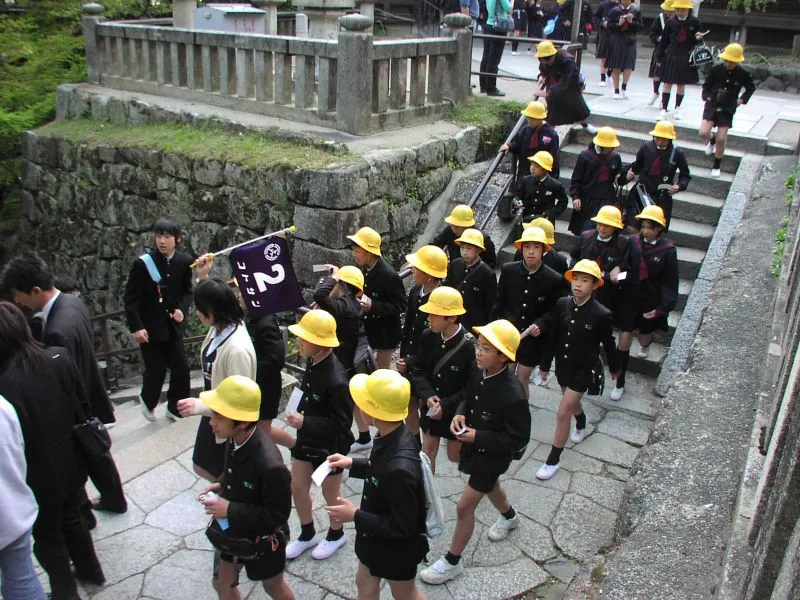
Forty-six children, one rented bus, and a docent who bakes cornbread before dawn: field trips look free to the students, but somebody always pays. Here is an honest accounting of what a small heritage site spends to teach a single busload of kids — and why the answer matters for every town with a story worth keeping.

The Empty Season: Why February May Be the Best Month You Ever Spend at a Historic Site
Family Travel & Education

The Empty Season: Why February May Be the Best Month You Ever Spend at a Historic Site

Small museums across America go quiet in the winter months, and that quiet is a gift. From Tunnel Hill to a dozen under-visited landmarks nationwide, here is a practical guide to cold-weather heritage travel — what is actually open, where to warm your hands, and why the absence of crowds changes everything.

The Dark Under America: Five Historic Tunnels Worth Planning a Weekend Around
Family Travel & Education

The Dark Under America: Five Historic Tunnels Worth Planning a Weekend Around

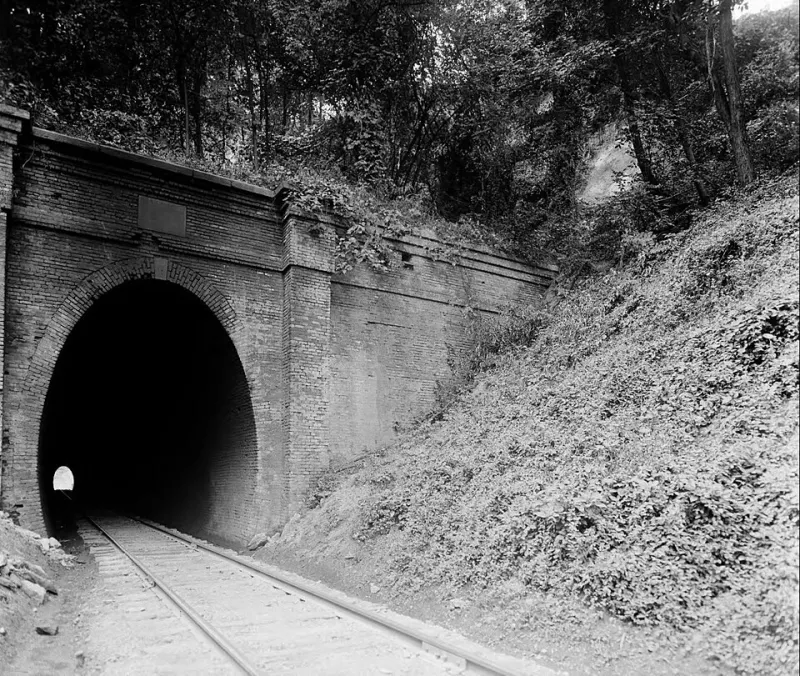
From the limestone hills of Georgia to the granite shoulders of the Rockies, America's historic railroad tunnels make perfect anchors for a weekend drive. Here are five passages where engineering, boomtown lore, and small-town hospitality converge.

Ink, Water, and Iron: The Handwritten Ledger That Outlived Every Engineer on the Payroll
History & Preservation

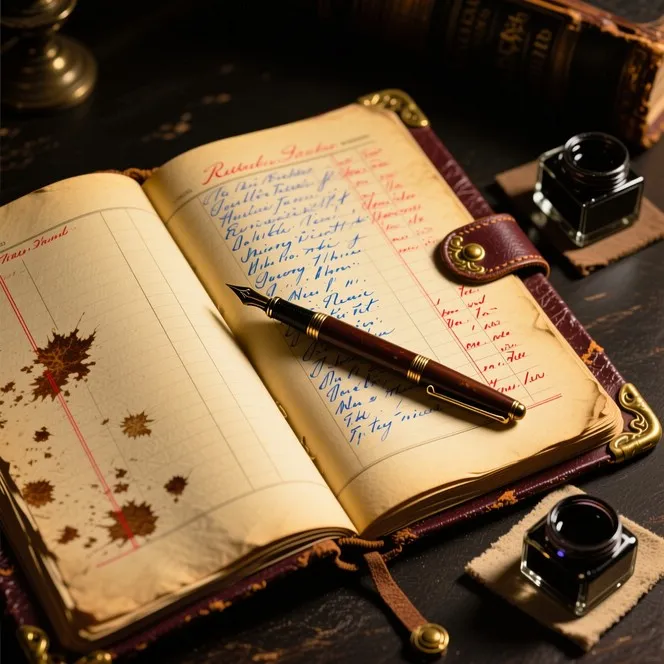
Ink, Water, and Iron: The Handwritten Ledger That Outlived Every Engineer on the Payroll

Long before preservation science had a name, the keepers of Tunnel Hill recorded every crack, seep, and repair in fading ink. Those weathered maintenance logs are more than bookkeeping—they are the autobiography of American infrastructure, written by men whose names history nearly forgot.

The Price of the Past: What a Ticket Booth Owes to the Public
History & Preservation

The Price of the Past: What a Ticket Booth Owes to the Public

Every small museum eventually faces the same question: should the door be free? Drawing on Tunnel Hill's own long admissions debates, this essay weighs the ethics of charging for public history against the unforgiving arithmetic of preservation budgets.

The Counter at the Door: What a Museum Gift Shop Reveals About Who History Belongs To
History & Preservation

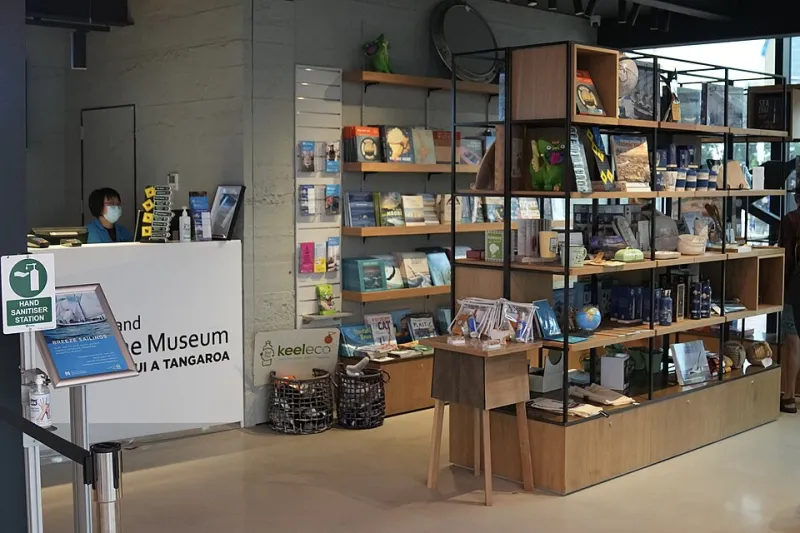
The Counter at the Door: What a Museum Gift Shop Reveals About Who History Belongs To

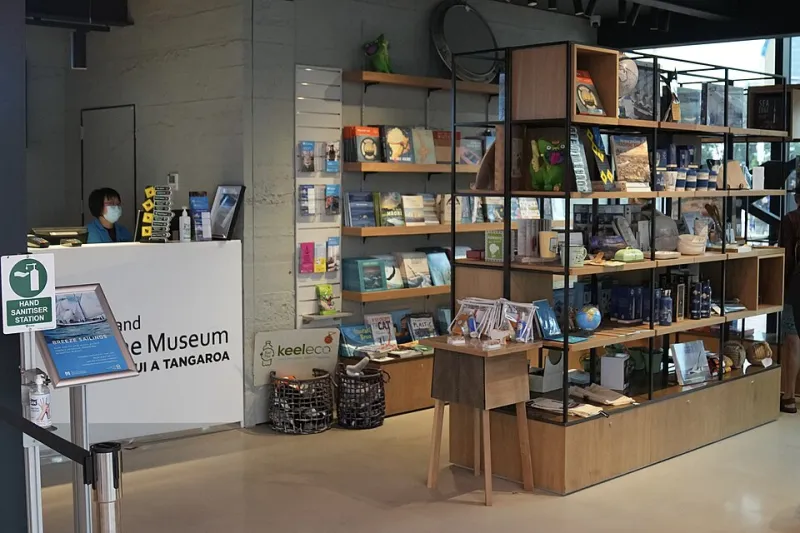
The gift shop is the last room a visitor sees, yet it may say more about a heritage site's values than any exhibit. At Tunnel Hill, the choices on the shelf — mass-produced nostalgia versus goods made by neighbors — raise an honest question about what we think history is for.

Postcards, Pennants, and Penny Candy: A Century of Souvenirs From the Hill's Own Back Room
History & Preservation

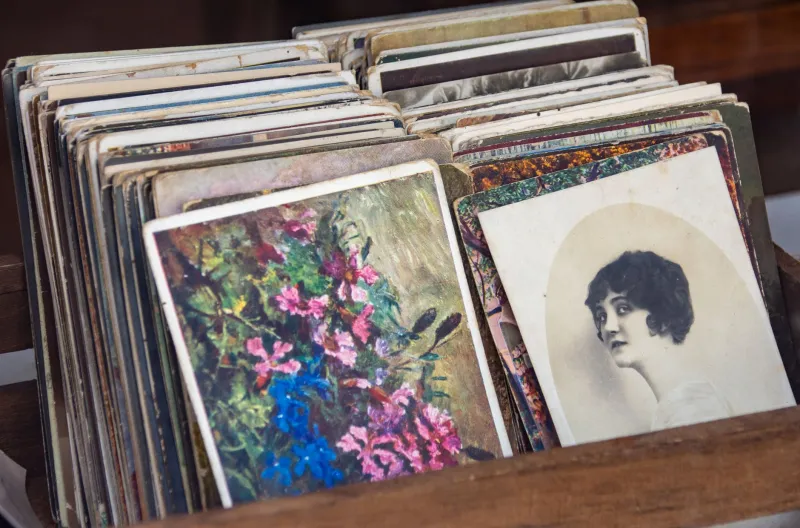
Postcards, Pennants, and Penny Candy: A Century of Souvenirs From the Hill's Own Back Room

Tucked into the archive room at Tunnel Hill Heritage Center sits a small but telling collection: the souvenirs visitors carried home across a hundred years. Read closely, each postcard and trinket is less a keepsake than a mirror of the America that bought it.

Drafts, Damp, and Degrees: Reading the Microclimate of Tunnel Hill
History & Preservation

Drafts, Damp, and Degrees: Reading the Microclimate of Tunnel Hill

Long before meteorologists mapped Georgia's ridges, the workers and travelers of Tunnel Hill understood that this place made its own weather. Drawing on archival logs and local recollection, we explore how elevation, terrain, and the tunnel's famous cool breath shaped daily life on the Hill.

Between the Lines of the Guest Book: A Century of Names at Tunnel Hill
History & Preservation

Between the Lines of the Guest Book: A Century of Names at Tunnel Hill

The admission ledgers and sign-in books kept at Tunnel Hill form an accidental archive of American curiosity itself. From railway pilgrims to school buses to genealogy road-trippers, the entries chart not just who came — but why.

What Did the Hill Sound Like? Rebuilding the Audio of a Vanished Railroad Town
History & Preservation

What Did the Hill Sound Like? Rebuilding the Audio of a Vanished Railroad Town

Before the trains fell silent, Tunnel Hill was a town defined by noise — whistles, hooves, hammers, and voices carried on the Georgia wind. Now a team of curators and acoustic researchers is working to reconstruct that vanished soundscape, one archival clue at a time.

Priced by Memory: Inside the Quiet Decisions That Stock a Small Museum's Shelves
History & Preservation

Priced by Memory: Inside the Quiet Decisions That Stock a Small Museum's Shelves

A museum's store is more than a place to buy a magnet. At Tunnel Hill, every handmade bowl and mass-produced keychain reflects a larger negotiation between funding, authenticity, and who gets to profit from the past.

The Questions Adults Forgot to Ask: What Children See That Docents Cannot
Family Travel & Education

The Questions Adults Forgot to Ask: What Children See That Docents Cannot

Somewhere between the school field trips and the summer crowds, we noticed a pattern: the sharpest historical insights on the Hill often come from visitors barely tall enough to reach the counter. This piece makes the case for letting children lead — and for the honesty their questions demand of us.

When the Lanterns Come Out: How Tunnel Hill Turns Darkness Into a Doorway to the Past
Family Travel & Education

When the Lanterns Come Out: How Tunnel Hill Turns Darkness Into a Doorway to the Past

After-hours programming is quietly becoming one of the most powerful tools in heritage tourism. At Tunnel Hill, lantern-lit evenings are transforming how families, locals, and first-time visitors encounter history — one flickering flame at a time.

After the Last Whistle Fades: The Quiet Second Lives of America's Railroad Depots
History & Preservation

After the Last Whistle Fades: The Quiet Second Lives of America's Railroad Depots

When passenger service ended, thousands of depots were left to rot — but the survivors tell a remarkable story of reinvention. From museums to breweries, here's how communities decide what a station becomes, and which restorations deserve a detour.

Step Off the Platform and Into the Past: How Railroad Towns Invented the American Getaway
History & Preservation

Step Off the Platform and Into the Past: How Railroad Towns Invented the American Getaway

Long before the roadside diner or the interstate welcome center, railroad towns like Tunnel Hill perfected the art of luring travelers off the train and into an experience. This piece traces the surprising lineage of American tourism back to the depot platforms of the 19th century.

The Eating House Standard: Meals, Morale, and the Making of a Railroad Town
History & Preservation

The Eating House Standard: Meals, Morale, and the Making of a Railroad Town

Long before fast food and roadside diners, railroad eating houses defined how America tasted progress. At Tunnel Hill, the remnants of that culinary world reveal as much about working-class life as any spike or steam engine.

Recommended

casinos not on gamstop casinos not on gamstop non gamstop casinos non gamstop casino