When the Lanterns Come Out: How Tunnel Hill Turns Darkness Into a Doorway to the Past
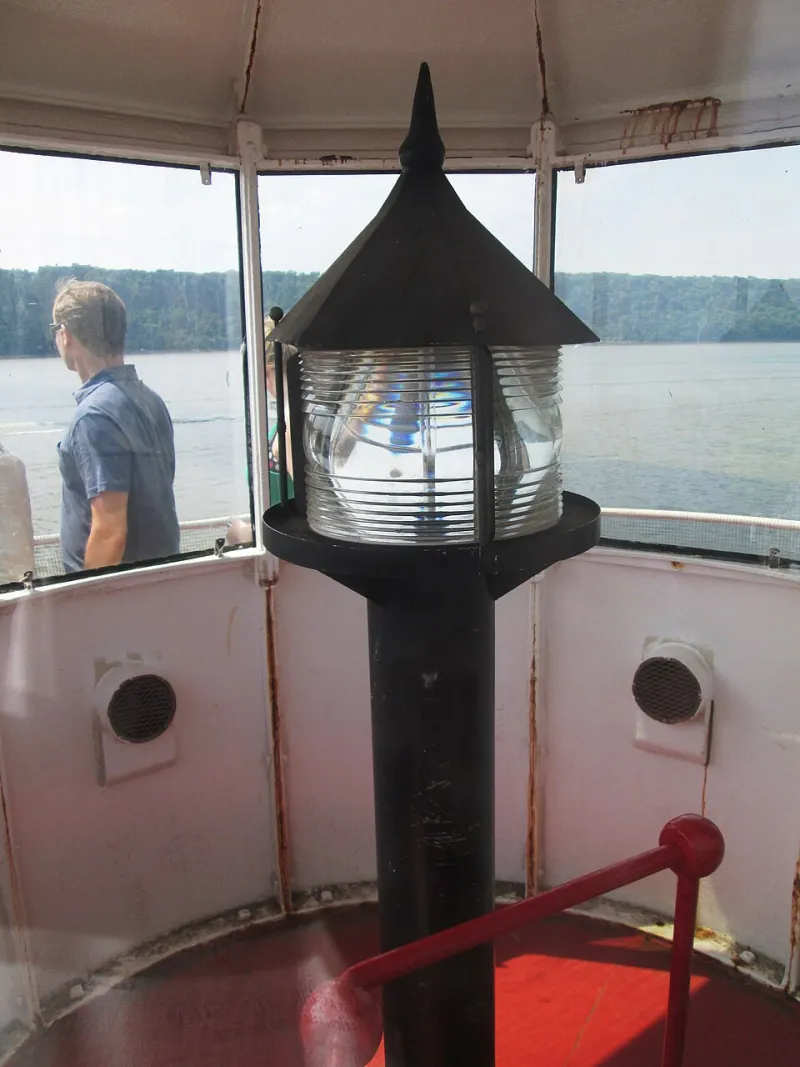
Photo: Beyond My Ken, CC BY-SA 4.0, via Wikimedia Commons
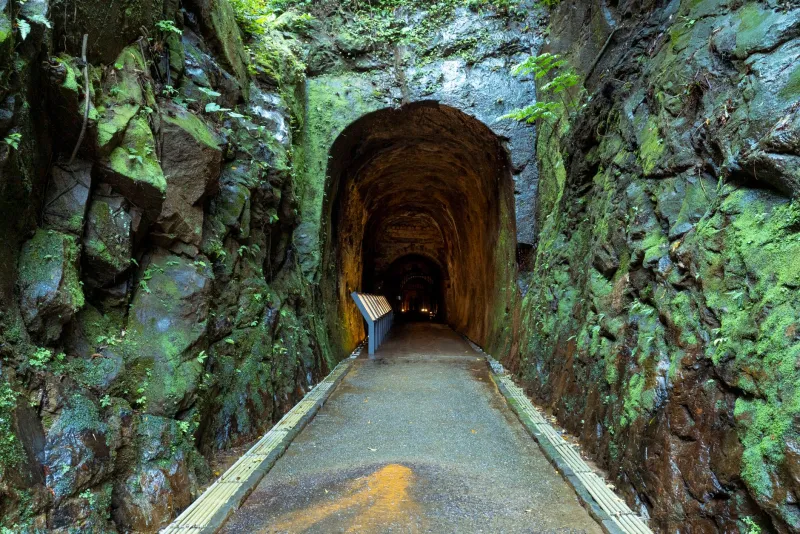
There is a particular hush that settles over a historic site after sunset. The parking lot empties, the daytime chatter fades, and the structures that seemed familiar by daylight take on a different character altogether. For decades, museums and heritage centers closed their doors at five o'clock and left that atmosphere untapped. Today, a growing number of sites — Tunnel Hill among them — have come to see the evening hours not as an ending, but as an invitation.
Why Darkness Changes the Story
Interpretation after dark operates on different principles than a standard daytime tour. In daylight, visitors read panels, study artifacts, and move at their own pace. At night, attention narrows. A lantern casts a pool of light on a single doorway; everything beyond it becomes suggestion rather than demonstration. That restraint is not a limitation — it is the craft.
Guides leading evening programs learn to work with what the dark gives them. Sound carries differently. A creak of timber or a distant train horn becomes part of the narrative rather than a distraction. Historical figures introduced through first-person storytelling feel less like costumed lecturers and more like encounters. Visitors who might drift through a midday exhibit find themselves leaning in.
This is why heritage-after-dark programming has become one of cultural tourism's notable growth trends. Younger audiences, particularly families with teenagers and young adults who might bypass a conventional museum visit, respond to experiences that feel atmospheric and participatory. Evening events also draw locals who have driven past the site for years without stopping — the after-hours format reframes a familiar landmark as something newly worth their time.
The Logistics Behind the Lanterns
What visitors experience as seamless ambiance is, behind the scenes, a careful balancing act. Running programs in low light on historic grounds raises three overlapping considerations: safety, preservation, and storytelling integrity.
Safety comes first. Pathways must be assessed for uneven ground, and group sizes are kept small enough for guides to maintain sight of every visitor. Modern LED flame-effect lanterns have largely replaced open flames at most sites, offering the same warm glow without fire risk near timber structures. Staff train for the specific challenges of darkness — managing a medical situation, reuniting a separated guest with the group, or pausing a tour for weather.
Preservation demands equal attention. Historic floors, staircases, and door frames were not built for repeated evening foot traffic, and darkness increases the chance of an accidental bump or scrape. Successful programs route tours to durable surfaces, add discreet protective barriers where needed, and schedule regular condition checks during the event season.
The third consideration is honesty. The best after-hours interpretation resists the temptation to manufacture ghosts or exaggerate melodrama. Local legend has its place — folklore is itself a legitimate subject of historical study — but the strongest programs distinguish documented history from inherited story, and let visitors sit with that ambiguity. The dark can hold both.
A Seasonal Calendar Built Around the Evening
Heritage centers that thrive after dark tend to build their calendars around natural rhythms rather than one-off stunts. Autumn, with its earlier sunsets and cultural associations, anchors the season. Spring evenings suit longer walking tours. Winter brings intimate indoor programs — readings, candlelit concerts, and hands-on craft demonstrations that work well in smaller historic spaces.
For Tunnel Hill, the evening format also connects naturally to the site's railroad identity. Night was when the depot never truly slept: telegrams arrived, freight moved through, and travelers waited under lamplight for the next departure. Evening programming lets interpreters tell that side of the story — the nocturnal rhythm of a working railroad town — in the setting where it actually happened.
Planning Your Own Visit After Sundown
For travelers considering an evening heritage event, a few practical notes will make the experience more rewarding. Dress for the terrain, not the temperature at your hotel; ground that feels mild in daylight cools quickly after dark, and sturdy footwear matters more than fashion. Arrive early enough to hear the guide's orientation — after-hours tours move as a group, and the opening remarks set the frame for everything that follows. And bring a curiosity about the difference between legend and record; the guides are often most animated when visitors ask which stories are documented and which have been passed down.
Families should check age recommendations in advance. Many after-dark programs welcome children, but some evening tours are designed with older audiences in mind, and matching the event to your group makes the experience better for everyone — including the visitors around you.
The Larger Shift
The rise of the heritage center as an evening destination reflects something broader in American cultural life. Audiences increasingly value experience over exhibition, atmosphere over accumulation. Sites like Tunnel Hill, which have spent decades building rigorous research and preservation programs, are well positioned to meet that expectation: the storytelling only works because the scholarship underneath it is sound.
The lanterns, in the end, are not the point. They are simply the oldest technology available for doing what good interpretation has always done — focusing attention, one small circle of light at a time, on the people and events that shaped a place. When the last tour of the night walks back down the hill and the grounds go quiet again, the site returns to darkness. But for the visitors on that tour, the history stays lit.