Forty-Eight Hours on the Hill: A Thoughtful Traveler's Guide to a Tunnel Hill Weekend
Some destinations announce themselves. Tunnel Hill, Georgia, prefers a quieter introduction. Situated in Whitfield County along the historic Western & Atlantic Railroad corridor, this small town of fewer than a thousand residents offers something increasingly rare in American travel: an authentic place where the past is not staged for visitors but simply lives alongside the present. For weekend travelers weary of crowded attractions and inflated admission prices, the Hill makes a persuasive case.
This guide outlines a two-day itinerary designed for visitors driving from Atlanta (roughly ninety minutes south), Chattanooga (thirty minutes north), or Nashville (about two and a half hours northwest). The pace is deliberate. Tunnel Hill's story deserves more than a drive-through glance, and the surrounding Northwest Georgia landscape rewards those willing to linger.
Day One: Arrive, Orient, and Go Underground
Begin your visit at the Tunnel Hill Heritage Center, the natural starting point for understanding why this unassuming town occupies an outsized place in regional history. The center's exhibits contextualize the 1850 completion of the Western & Atlantic Railroad tunnel—then one of the most ambitious engineering undertakings in the American South—and the Civil War campaign that swept through shortly afterward. Allow at least ninety minutes for the museum galleries before continuing to the star attraction.
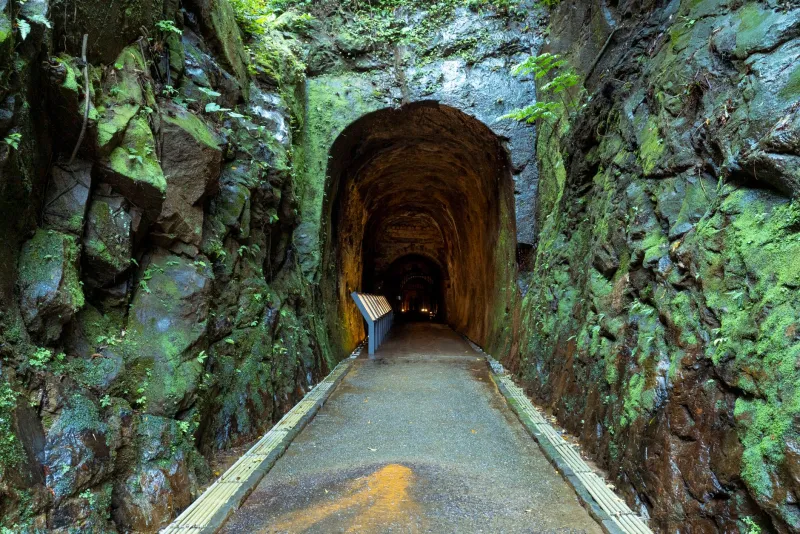
The historic tunnel itself, now traversable on foot, offers a sensory experience no photograph can replicate. Cool air, dripping stone, and the faint curve of the passage that once funneled steam locomotives through Chetoogeta Mountain combine into something close to time travel. Docent-led tours run on a regular schedule; reservations are wise during spring and autumn, when school groups and leaf-season travelers fill the calendar.
Afterward, stretch your legs on the Tunnel Hill Rail Trail, a paved segment of the longer Georgia Hi-Lo Trail network that follows the old rail bed through town. Cyclists and walkers alike appreciate its gentle grade and shaded stretches—evidence that the railroad's legacy continues to serve travelers, just at a slower speed.
Evening: Tables and Rest in Nearby Dalton
Tunnel Hill's dining options are modest by design, so most weekend visitors head ten minutes south to Dalton, the Carpet Capital of the World, where locally owned restaurants along and around Walnut Avenue serve everything from Southern meat-and-three plates to Mexican and Vietnamese fare. Downtown Dalton's revitalized blocks also make for a pleasant after-dinner stroll past early twentieth-century commercial buildings.
For lodging, Dalton offers the region's widest selection of dependable national-brand hotels at prices well below Atlanta rates. Travelers seeking more character will find bed-and-breakfast accommodations in Dalton's historic districts, while budget-conscious families should note that a Tunnel Hill weekend typically costs a fraction of a comparable trip to larger tourist centers.
Day Two: Battlefields, Overlooks, and the Long View Home
Reserve your second morning for the broader Civil War landscape. The town sits at the northern edge of the Chickamauga Campaign corridor, and nearby sites—including the Chickamauga and Chattanooga National Military Park, less than thirty minutes away—rank among the most significant preserved battlefields in the United States. The park's visitor center, with its famed collection of restored firearms and the Fuller Gun Collection, merits a stop on its own.
Closer to town, the surrounding ridges offer accessible outdoor recreation. The Rocky Face Ridge area, with its connection to the 1864 fighting during Sherman's Atlanta Campaign, combines hiking with history in a single outing. Trail options range from short interpretive walks to more demanding ridge routes, so consult current access information before setting out.
If your return route allows, a detour through Resaca, south along I-75, adds one more layer: the Resaca Battlefield Historic Site preserves ground where the campaign's first major engagement unfolded in May 1864.
Practical Notes for the Considered Traveler
Timing matters. Spring and fall offer the region's best weather and fullest event calendars, including living history demonstrations that bring the Heritage Center's grounds to life. Summer visits should favor morning tunnel tours, when the passage's natural coolness is a virtue rather than a novelty.
Wear sensible shoes for the tunnel and trails, carry water in warmer months, and check the Heritage Center's official channels for tour availability and seasonal hours before departing. Groups, homeschool co-ops, and multi-generational families will find that staff can tailor experiences to varied ages and interests.
Why the Hill Endures
What distinguishes a Tunnel Hill weekend is not spectacle but proportion. Here, the scale of history matches the scale of the town—human, tangible, and unhurried. The tunnel that once roared with locomotives now echoes with footsteps. The ridges that once bore armies now host hikers. For travelers from Atlanta, Chattanooga, or Nashville seeking an affordable weekend that educates as it restores, the Hill stands ready for its second act—and yours.