The Empty Season: Why February May Be the Best Month You Ever Spend at a Historic Site
Photo: Heritage Preservation Department - MNHS, CC BY-SA 4.0, via Wikimedia Commons
The Off-Season Nobody Plans For
Ask the director of any small American museum to name their hardest month and you will hear the same answer in different accents: January or February. School groups have not resumed in force, bus tours are months away, and the fair-weather traveler has gone quiet. For sites operating on razor-thin budgets, the empty season is an anxiety. For the traveler willing to wear a coat, it is an opportunity that will not exist again until the maples leaf out.
What Is Actually Open in Winter
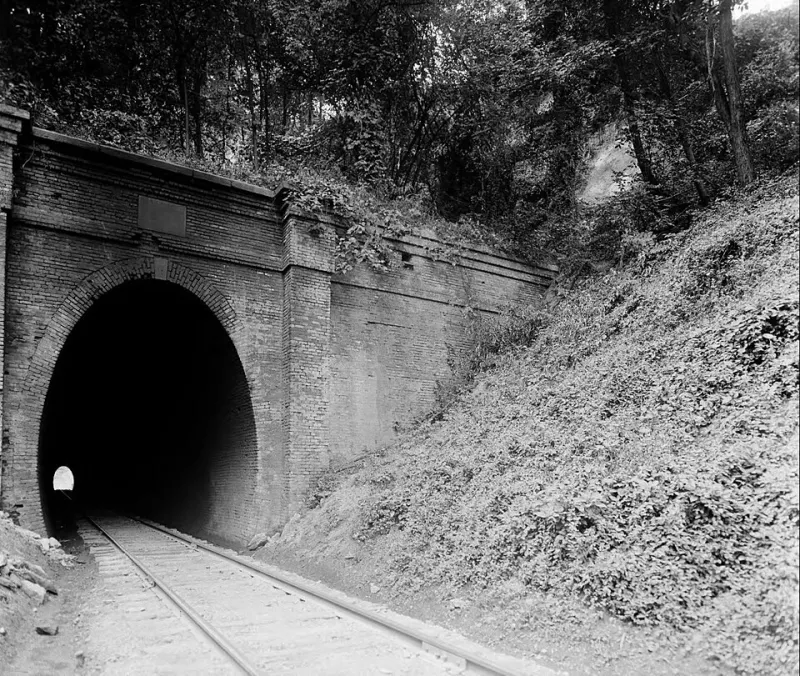
The first rule of cold-weather heritage travel: call ahead, but do not assume closure. Many small sites reduce hours rather than shutter entirely. Tunnel Hill's guided tours, for instance, continue through the winter on a modified schedule, and there is a particular pleasure in standing inside a tunnel in February — the temperature underground barely notices the season, making it one of the few historic sites in the South that is arguably better in cold weather.
Across the country, the pattern holds. Indoor-focused sites — county historical societies, railroad museums with rolling stock under roof, courthouses and antebellum homes with furnished interiors — typically remain open with weekday or weekend-only hours. Outdoor-heavy sites may close buildings but keep grounds accessible, which suits photographers and quiet-walkers perfectly.
Where the Cold-Weather Traveler Warms Up
A successful winter heritage day is built around warm intervals. Plan your route so that no outdoor stretch exceeds thirty minutes without an indoor stop: the site's own exhibit hall, a historic café, the town library, a general store that has survived long enough to sell hot coffee. In Tunnel Hill, the rhythm of tunnel-and-warmth is built into the geography — the hill town's diners and shops sit minutes from the trailhead.
Dress the way the era you are visiting dressed: layers, wool, and footwear you have already tested. A cold visitor is a hurried visitor, and hurried visitors read nothing.
Five Under-Visited Sites Worth a Winter Detour
- Tunnel Hill, Georgia. The 1850 rail tunnel anchors the story, but winter reveals the quiet of the surrounding railroad town — no tour groups, no lines, and a docent who has time to answer every question.
- The county historical societies of the Ohio River Valley. Small, warm, staffed by volunteers who will happily pull documents for a serious visitor, and empty from November through March.
- Railroad museums of the Great Plains. Rolling stock under roof, roaring pot-bellied stoves in restored depots, and winter light through clerestory windows that photographers pay for.
- Antebellum house museums of the Deep South. The touring season peaks in spring; February visitors often get the guide to themselves in rooms where summer crowds shuffle past in forty-five minutes.
- Mill towns of New England. Canal paths and brick mills read differently under bare trees, and the adjacent town libraries and diners are warm, cheap, and full of local history.
Why the Crowds' Absence Is the History Buff's Gain
There is a qualitative difference in a site experienced in silence. Docents, unburdened by tour-bus schedules, tell longer stories and take harder questions. Interpretive signs can be read without elbows. Sound returns — wind, creaking floorboards, your own footsteps — which is closer to how these places actually felt to the people who used them.
Winter also flatters the sites themselves. Bare branches expose building lines, stone walls, and terrain that summer foliage hides. Snow reveals the logic of old roadbeds and the outlines of foundations. The landscape becomes its own primary source.
So check the hours, pack the thermos, and go in the month nobody goes. The past does not hibernate, and neither should you.