The Questions Adults Forgot to Ask: What Children See That Docents Cannot

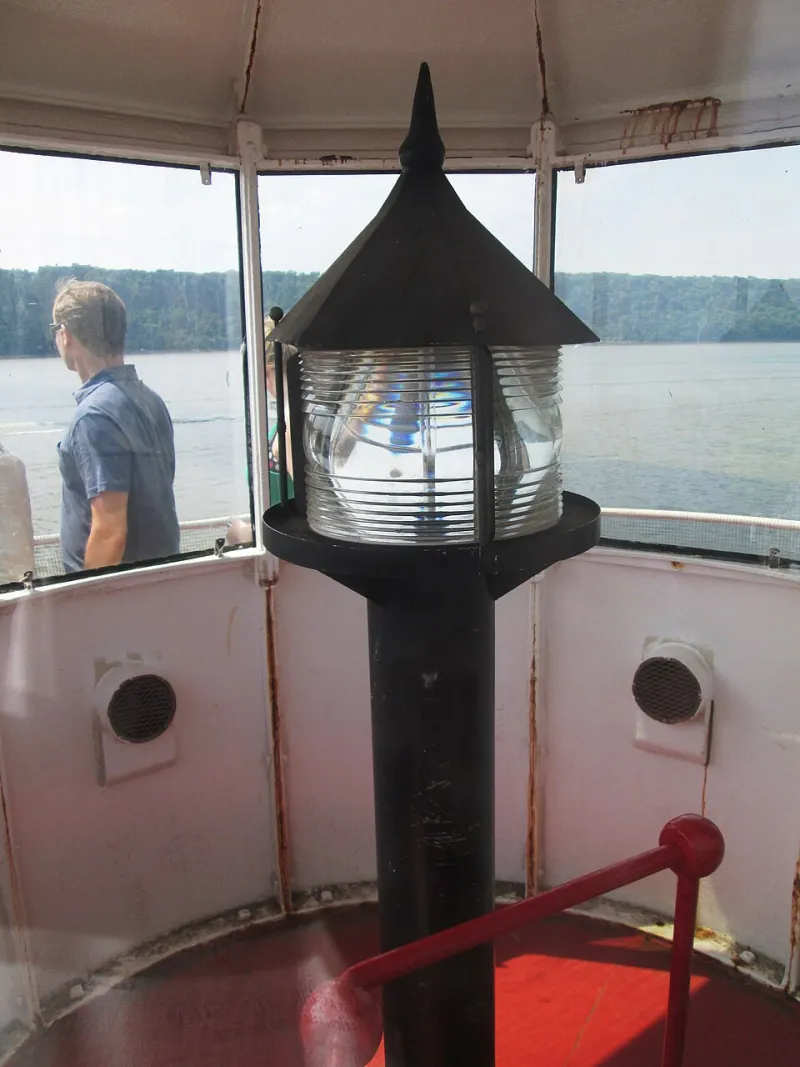
Photo: D. Myles Cullen, Public domain, via Wikimedia Commons
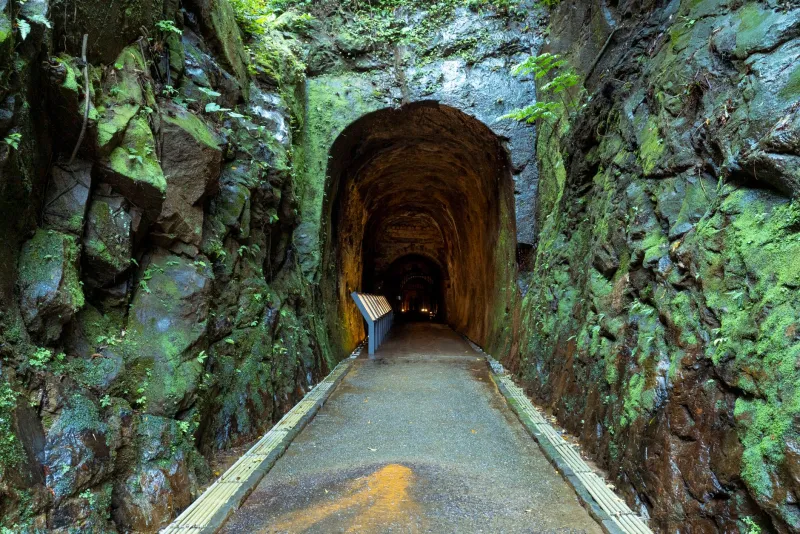
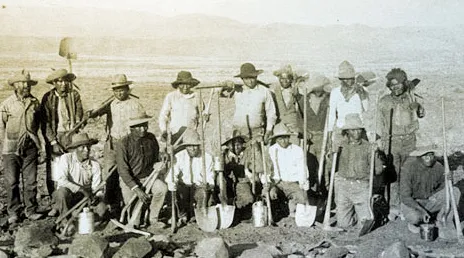
There is a moment that repeats itself nearly every week at the Tunnel Hill Heritage Center. A docent finishes a careful explanation of the tunnel's construction — the picks, the black powder, the labor of men whose names were rarely written down — and a hand goes up. Usually a small one. And the question that follows, more often than not, is one none of the adults in the room thought to ask.
Why didn't they just go around the mountain?
It sounds simple. It is not. Answering it honestly requires explaining nineteenth-century economics, the politics of rail routes, the physics of grade and drag, and the human cost of deciding that a tunnel was worth more than the lives spent digging it. Children ask the question because they have not yet learned which questions are considered impolite. Heritage sites, if we are paying attention, owe them real answers.
The Docent's Dilemma
Talk to the volunteers and staff who lead tours on the Hill, and a theme emerges quickly: children are the most demanding audience and the most rewarding one.
"Adults are polite," one longtime docent told us, laughing. "Adults nod. Kids squint at you. You can feel them deciding whether they believe you."
That skepticism is a gift. It forces interpreters out of recitation and into explanation. A memorized speech survives an adult audience; it does not survive a ten-year-old who wants to know whether the workers were scared, or where they slept, or what happened if the powder went off early. Those questions push the tour away from triumphal narrative and toward the fuller, messier truth — the labor conditions, the immigrant crews, the enslaved and low-paid workers whose contributions were long left out of the official story.
In that sense, children have quietly shaped how the Hill tells its own history. Their unfiltered curiosity has been a correction mechanism all along.
What Parents Notice
Families who visit heritage sites with young children often report the same surprise: the visit changes once the kids take the lead.
A parent from a recent family tour described her son stopping in front of a display of railroad tools and refusing to move for fifteen minutes. "He wanted to know who held them, how heavy they were, whether kids his age ever used them." The answer — that boys not much older than he is worked in and around mines and rail camps — landed harder than any plaque could have.
This is the quiet argument for child-led heritage travel. When a child fixates on something, they are telling the adults what actually matters in the room. Frequently it is not the glass-cased artifact or the grand architectural feature. It is the human scale: the lunch pail, the boots, the photograph of a family on a depot platform.
Letting the Small Ones Set the Itinerary
For families planning a visit to Tunnel Hill or any historic site, we offer a modest proposal: resist the urge to lead.
A few approaches that consistently work:
- Start with a question, not a schedule. Ask your child what they want to find out before you arrive, then let that question anchor the visit.
- Follow the fixations. If someone lingers at the tunnel entrance for half an hour, that half hour is the tour.
- Let them ask the docents directly. Staff at heritage sites generally love these exchanges — and children's questions frequently unlock stories the standard tour skips.
- Leave room for boredom. Not every moment will land, and that is fine. One vivid detail remembered is worth more than every panel skimmed.
The Honest Measure of a Place
There is a school of thought that heritage tourism is for adults — that children lack the context to appreciate history. We would argue the opposite. Children lack the filters. They have not yet absorbed which parts of the story are comfortable, so they ask about all of it. A site that can satisfy a child's questions is a site that has done its interpretive homework.
The next time you visit the Hill, watch the youngest visitors. Notice what stops them, what confuses them, what outrages them. Then ask their questions yourself. You may find, as our docents have, that the best tour guide in the building is the kid who asks too many — because those are the questions history actually needs answered.