The Dark Under America: Five Historic Tunnels Worth Planning a Weekend Around
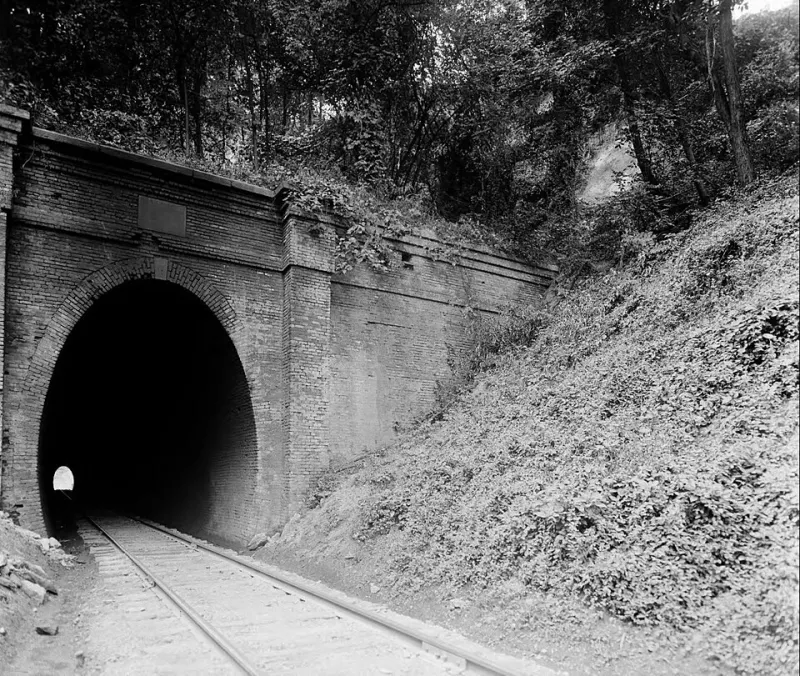
Photo: Holsinger, Rufus W., Public domain, via Wikimedia Commons
Every railroad tunnel is a story about stubbornness. Someone looked at a mountain, decided the railroad would not go around, and set thousands of laborers to work with black powder and hand drills. What survives today—some as museums, some as trail passages, some as still-working infrastructure—offers travelers a rare combination of drama, accessibility, and small-town charm. Here are five that reward a detour.
1. Tunnel Hill, Georgia
Start in the town that shares its name with its famous passage. The 1,497-foot tunnel at Tunnel Hill was a marvel of antebellum engineering on the Western & Atlantic Railroad, carved through Chetoogeta Mountain and completed in 1850. It witnessed the Civil War's Great Locomotive Chase and remained in service long after newer technology passed it by.
What to do: The Tunnel Hill Heritage Center offers guided tours that walk you through the passage itself—bring a jacket; the interior stays cool even in July. Pair it with the nearby town of Dalton for lodging and dinner.
Ask the docent: Why the tunnel's orientation mattered so much to the railroad's founders. The answer involves surveying instruments, political maneuvering, and a route that shaped Atlanta's very existence.
2. Hoosac Tunnel, Massachusetts
The "Bloody Pit" earned its grim nickname during two decades of construction that claimed dozens of lives and pioneered the use of nitroglycerin in American blasting. At 4.75 miles, it remains the longest active railroad tunnel east of the Rockies.
What to do: The town of North Adams embraces its tunnel heritage; the Western Gateway Heritage State Park interprets the construction story well. Viewing platforms let you watch— and hear —freight trains enter the bore.
Insider tip: Time your visit for a scheduled passing. The sound of a modern locomotive emerging from a 150-year-old hole is something children do not forget.
3. Stampede Tunnel, Washington
Bored through the Cascade Mountains in the 1880s, the Northern Pacific's Stampede Tunnel opened the Pacific Northwest to through rail traffic. The surrounding Snoqualmie Pass region has since converted old rail grades into some of the finest rail-trail hiking in the country.
What to do: The Palouse to Cascades State Park Trail passes through the tunnel's historic corridor. Combine a visit with a stop in the small town of Cle Elum, where railroad-era storefronts still line the main street.
Ask at the visitor center: About the snowsheds. Keeping the line open through Cascade winters required engineering almost as audacious as the tunnel itself.
4. Moffat Tunnel, Colorado
Punched beneath the Continental Divide at over 9,000 feet, the Moffat Tunnel opened in 1928 after years of political fighting and financial struggle. It shortened the Denver & Salt Lake's route by miles of punishing mountain grades and remains a working rail passage today.
What to do: The east portal near Winter Park is viewable from the road, and the adjacent Winter Park Resort uses a parallel bore for its own purposes. The drive over Rollins Pass—the route the tunnel replaced—makes a spectacular comparison for anyone wondering why engineers bothered.
Insider tip: The dirt road over Rollins Pass is passable in summer with care, and the ruins of the old railroad town of Arrowhead along the way are a bonus for history-minded drivers.
5. Crozet's Blue Ridge Tunnel, Virginia
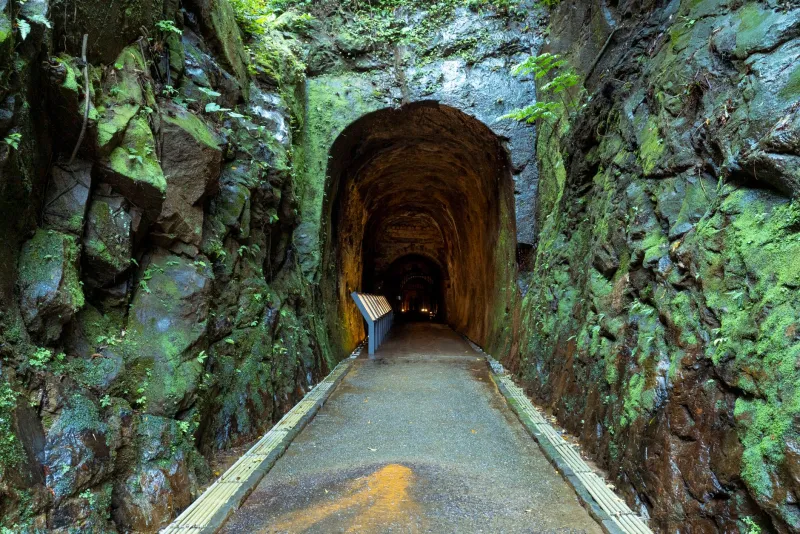
Completed in 1858 under the direction of engineer Claudius Crozet, the Blue Ridge Tunnel was, at its completion, one of the longest tunnels in the world—dug through solid rock by Irish and enslaved laborers working by candlelight. It now serves hikers and cyclists as part of a trail system through Afton Mountain.
What to do: The restored tunnel is walkable, cool, and dark enough to warrant a flashlight, which makes it a hit with families. The nearby towns of Charlottesville and Waynesboro supply excellent food and lodging.
Ask the trail volunteers: About the worker communities that lived at the portals. Recent research has done much to restore the names of the men who did the digging.
Planning the Route
None of these sites requires more than a day, but each pairs naturally with a weekend of regional exploration—Civil War trails in Georgia, the Berkshires in Massachusetts, Cascade passes in Washington, the Front Range in Colorado, and Shenandoah Valley byways in Virginia. Together they tell a single national story: a country that refused to go around its mountains, and the towns that grew up in the shadow of that decision.
Check seasonal access before you go—several of these passages close or restrict hours in winter—and always confirm tour schedules with local visitor centers. The mountains, after all, have outlasted every schedule ever made.