Priced by Memory: Inside the Quiet Decisions That Stock a Small Museum's Shelves
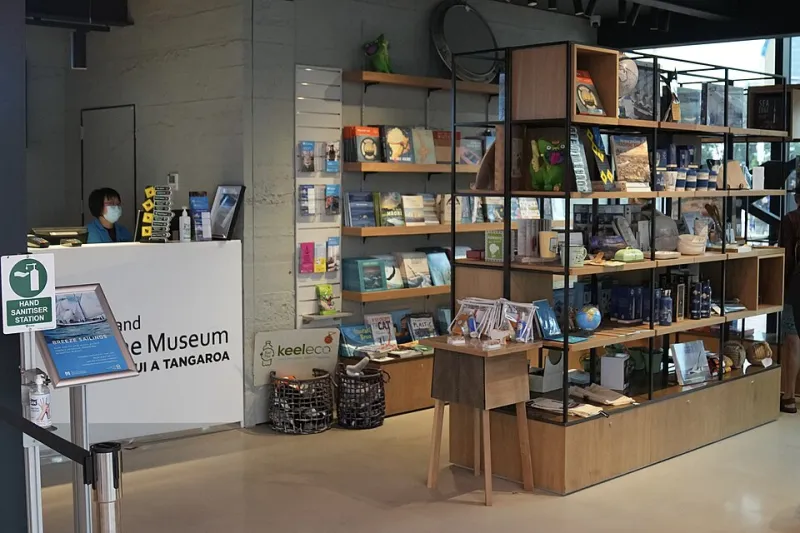
Photo: Richard N Horne, CC BY-SA 4.0, via Wikimedia Commons
Walk past the ticket counter at any small-town heritage center in America and you will find yourself, almost without noticing, in a gift shop. Most visitors treat it as an afterthought — a place to grab a cold drink before the drive home. But stop for a moment and look at the shelves. What a museum chooses to sell, and what it refuses to, tells you a great deal about how that institution understands its own mission.
At Tunnel Hill, we think about our store more than most visitors might expect. It is, in a very real sense, the last exhibit many people see.
The Economics of Remembering
Admission fees rarely keep a heritage site alive. For museums the size of ours, retail revenue — along with memberships and donations — often closes the gap between staying open and locking the doors. That reality forces choices that larger institutions with endowments never face.
Do we stock a locally crafted reproduction of a 19th-century tin lantern, priced to reflect the artisan's hours of labor? Or a crate of imported trinkets with a healthy markup and a shelf life of years? The first honors the story. The second pays the electric bill.
Most small museums do some version of both, and pretending otherwise serves no one. The honest question is not whether a shop sells souvenirs, but whether those souvenirs connect meaningfully to the place a visitor just walked through.
Three Questions We Ask Before Anything Goes on the Shelf
When our staff evaluates a potential product, the conversation tends to circle the same three points:
- Does it teach something? A children's book about railroad construction passes. A generic plush toy wearing a conductor's hat, probably not — though we admit the calculus gets harder when a school group of forty third-graders arrives with allowance money in hand.
- Does the money stay nearby? We give strong preference to regional makers: Georgia potters, local honey, print shops within driving distance. Every purchase that supports a neighbor strengthens the same community fabric the museum exists to preserve.
- Would we be embarrassed by it in ten years? Trends fade. A commemorative item tied to a genuine anniversary or a documented story tends to age well; novelty items rarely do.
None of this is a purity test. It is a recognition that a gift shop is a form of interpretation, whether we like it or not.
Who Profits From Memory?
There is a harder question underneath the merchandising math, and it deserves to be asked plainly: when history becomes a product, who benefits?
Mass-produced heritage trinkets — the kind ordered from a catalog and shipped by the pallet — send most of their revenue far from the town whose story they decorate. Locally made goods keep dollars circulating in the community whose ancestors built the tunnel, worked the rails, and lived the history visitors come to learn about. For sites like ours, which interpret labor, immigration, and the lives of enslaved people, that distinction carries moral weight. Memory should not be extracted the way the railroad once extracted timber and labor from this valley.
This is not an argument that every museum must sell only artisan goods. Small budgets make purism a luxury. It is an argument for intentionality — for knowing why an item is on the shelf and being able to explain it to a visitor who asks.
What Visitors Can Do
If you care about heritage travel, your wallet is a voting booth. A few habits make a difference:
- Ask where something was made. Docents and shop staff generally know, and the question itself signals that authenticity matters to customers.
- Choose the item with a story. A hand-lettered print of the tunnel's 1858 construction, even at twice the price of a magnet, funds something real.
- Buy the book. Publications by local historians are the least glamorous and most valuable items in nearly any museum store.
The Shelf as a Mirror
We will not pretend our shop is perfect. Every museum buyer balances ideals against invoices. But we would offer this as a simple standard for travelers anywhere in the country: look at what a site sells, and you will see what it values. When the shelves hold the work of local hands, the words of local historians, and the crafts of living artisans, the past is being honored twice — once in the exhibits, and once at the register.
That, more than any single artifact, is what keeps a community's memory alive.