The Eating House Standard: Meals, Morale, and the Making of a Railroad Town
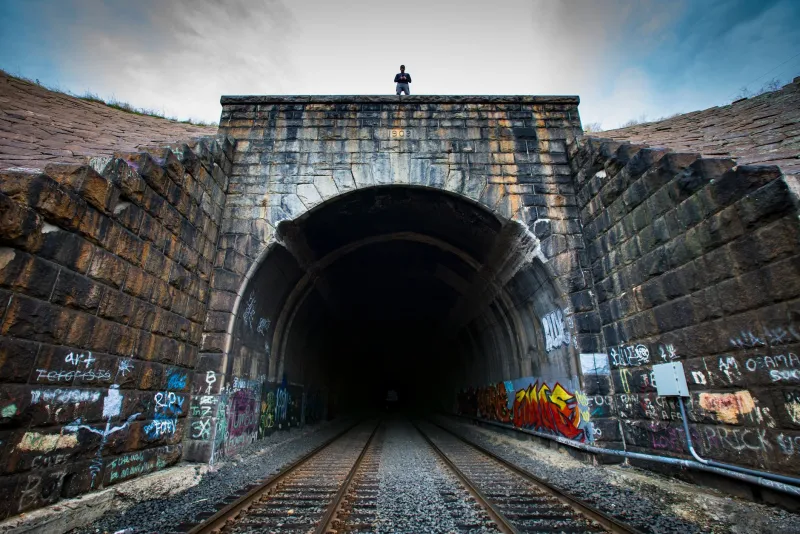
Visitors who walk the grounds of Tunnel Hill today often pause to imagine the roar of locomotives or the ring of pickaxes against rock. Fewer consider a quieter but equally vital question: what did the people who built and ran this railroad actually eat?
The answer opens a window onto 19th-century American life that no ledger or locomotive can provide. Food, after all, was the daily ritual that bound laborers, conductors, travelers, and townsfolk together — and along the Western & Atlantic line, it shaped the very rhythm of the community.
Lanterns, Long Tables, and the Birth of the Eating House
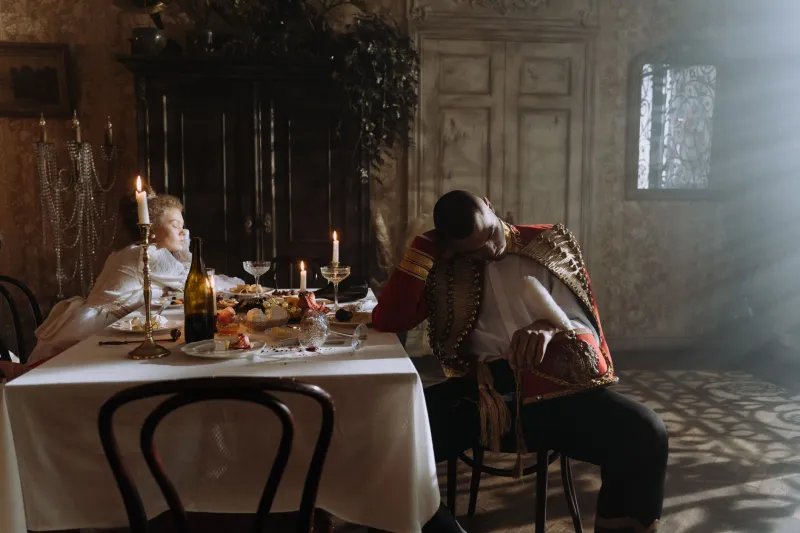
In the era before dining cars, railroads could not feed passengers en route. Instead, trains stopped at designated towns where travelers rushed to 'eating houses' for a meal consumed at astonishing speed — often twenty minutes, timed to the locomotive's schedule.
These establishments were institutions. A typical spread might feature fried chicken, ham, biscuits, sorghum syrup, and coffee strong enough to rouse a weary drummer salesman. In Georgia, the menus leaned on regional staples: cornbread, field peas, sweet potatoes, and whatever the surrounding farms supplied.
For small communities like Tunnel Hill, an eating house was more than a restaurant. It was an economic anchor, a social crossroads, and — during the Civil War years — occasionally a lifeline for hungry soldiers passing through.
The Lunch Pail Economy of the Tunnel Workers
While passengers dined at tables, the men who carved the tunnel itself ate very differently. Irish immigrant laborers and enslaved workers alike carried their midday meals in tin pails: cold cornbread, salt pork, boiled eggs, and molasses, if they were fortunate.
Archaeological finds at railroad work camps across the South — broken crockery, animal bones, tin utensils — suggest diets that were monotonous but caloric, engineered to fuel twelve-hour shifts of brutal physical labor. Food was often deducted from wages, meaning a worker's plate was literally part of his paycheck.
What these meals lacked in variety, they made up for in meaning. Shared food forged bonds among men separated from home by hundreds of miles, and recipes carried from Ireland, the Caribbean, and West Africa quietly mingled in camp kitchens — an early, unheralded chapter of American culinary fusion.
Feeding a Town That Fed the Railroad
The railroad's presence reshaped local agriculture, too. Farmers within a day's haul of the line shifted toward cash crops and provisions for sale to the railroad — cattle for the butchers, produce for the eating houses, hay for the livery stables that fed the horses.
This feedback loop turned towns along the line into miniature food economies. A traveler's biscuit at the eating house might have been milled from wheat grown two miles away. The connection between farm and rail was so intimate that when the line flourished, so did the tables of the surrounding countryside.
Tasting History Today
Modern visitors to Tunnel Hill and the surrounding Northwest Georgia region can still trace this heritage on the plate. Area diners and cafes continue traditions of Southern cooking that descend directly from eating-house fare: buttermilk biscuits, country ham, fried chicken, and preserves made from heirloom fruit.
For those who want a more hands-on experience, heritage cooking demonstrations at regional historical sites occasionally feature open-hearth baking and 19th-century recipes adapted for the modern kitchen. A simple starter: cornbread made with sorghum syrup and a cast-iron skillet, the closest thing to a tunnel worker's lunch you can bake at home.
Why Foodways Matter to Preservation
Historians have increasingly recognized food as a primary source — as revealing as letters or photographs. Studying what people ate, how they procured it, and who cooked it restores visibility to groups often missing from official records, particularly women, enslaved workers, and immigrants.
At Tunnel Hill, the story of the eating house and the lunch pail is ultimately a story about community: how a town organized itself around the arrival of the train, and how the simple act of sharing a meal preserved dignity in hard times.
The next time you visit, linger a moment longer in the museum's domestic exhibits. Behind every artifact of daily life is a meal that was cooked, carried, and shared on the hill — a taste of history that never quite faded from the table.