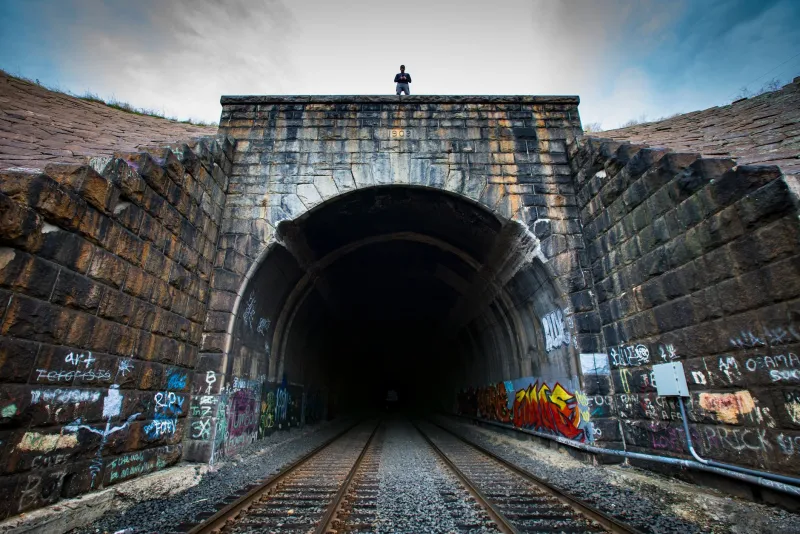
Tokens of the Tunnel: A Century of Souvenirs and What They Reveal About American Heritage Travel
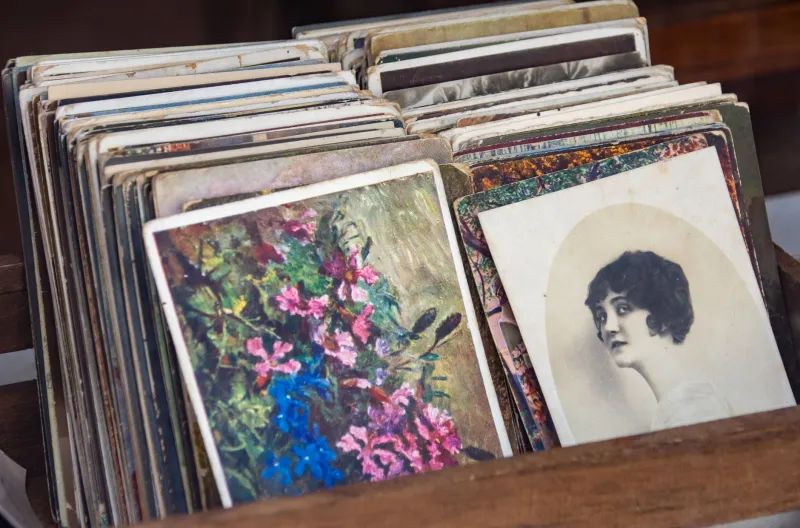
Open nearly any American grandmother's souvenir drawer and you will find the same census of memory: a folded postcard, a chipped ceramic cup, a miniature of something grand. At Tunnel Hill, those drawers tell a story that spans nearly the entire history of American leisure travel itself.
The keepsakes visitors have carried away from this northwest Georgia landmark—from hand-tinted postcards of the Western & Atlantic Railroad tunnel to commemorative spoons sold at anniversary celebrations—are more than trinkets. Read closely, they form a material record of how Americans have thought about history, memory, and the act of visiting the past.
The Railroad china Era: Souvenirs as Proof of Passage
In the late nineteenth century, tourism was a privilege of the few, and souvenirs functioned as evidence. Railroad lines across the country commissioned elegant dining car china bearing their own logos, and the Western & Atlantic was no exception. A plate stamped with a railroad insignia was not merely tableware; it was a certificate that the bearer had been somewhere.
Visitors to Tunnel Hill in this era were likely to leave with something functional—a timetable, a printed excursion program, perhaps a photograph sold at a depot counter. The souvenir was an argument: I was there, and here is the proof.
The Postcard Boom: History by the Penny
The arrival of inexpensive picture postcards in the early 1900s democratized travel memory. Suddenly, anyone could mail a piece of Tunnel Hill to a cousin in Chattanooga or Chicago for a penny. The postcards that survive from this period—many preserved in regional collections—show the tunnel rendered in romantic tints, steam locomotives posed at the north portal like portraits.
What these cards reveal is telling. Early tourists did not photograph the tunnel as a ruin or a relic. They pictured it as infrastructure: a working marvel, a point of civic pride. The souvenir of that era says look what we built, not look what we saved.
The Mid-Century Shift: From Engineering to Memory
By the mid-twentieth century, roadside America had transformed souvenir culture. Miniature versions of landmarks—tiny tunnels, model locomotives, commemorative thimbles—flooded gift shops along every highway. The souvenir stopped proving travel and started performing it, a small stage set for storytelling back home.
At heritage sites like Tunnel Hill, this shift coincided with a change in how the site itself was understood. As the Civil War centennial drew renewed attention to the region's wartime history, souvenirs began to reference not just the engineering achievement of the 1850 tunnel but the soldiers, raids, and railroad races that made the place famous. The keepsake drawer became a timeline of changing interpretation.
What We Choose to Carry Home
A century of trinkets poses an uncomfortable but productive question: what does a souvenir leave out? The miniature tunnels and commemorative mugs largely celebrated the tunnel's builders and soldiers while saying little about the enslaved laborers whose hands shaped the landscape, or the immigrant workers who later settled in the community. The gaps in the souvenir record are as historically instructive as the objects themselves.
Today's visitors to the Heritage Center take home a different kind of memento—replica artifacts, educational publications, digitally restored imagery—that reflects a broader and more honest telling of the Hill's story. The modern souvenir, in other words, is becoming a document in its own right, one future researchers may read for clues about our era's values.
The Drawer as Archive
Museums have begun to recognize what collectors always knew: ephemera and tourist trinkets are primary sources. A 1908 postcard's caption reveals contemporary attitudes; a 1960s souvenir spoon's design reveals what the centennial generation chose to honor. At Tunnel Hill, these objects are studied alongside letters, ledgers, and tools—equal parts of the historical record.
The next time a souvenir drawer is opened, consider it an archive in miniature. Each postcard, cup, and pocket trinket is a small decision about what mattered enough to keep. Taken together across a century, they map not just the history of Tunnel Hill, but the evolving heart of American heritage travel—what we visit, what we value, and what we choose to remember.