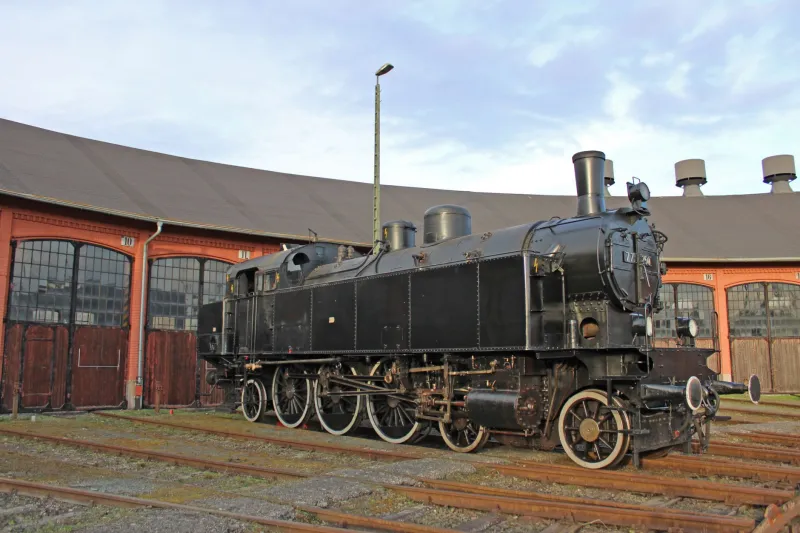
After the Last Whistle Fades: The Quiet Second Lives of America's Railroad Depots
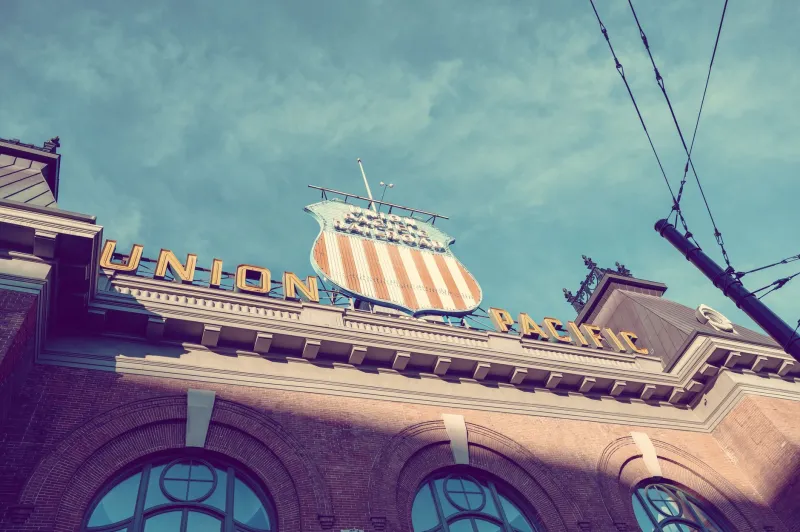
There is a particular kind of silence that settles over a railroad depot when the last train no longer stops. The platform empties. The telegraph desk gathers dust. The schedule board keeps announcing departures that will never come. Across the United States, this scene repeated itself thousands of times between the 1950s and 1970s, as air travel and the interstate highway system drained passengers away from the rails.
What happened next, however, is anything but quiet. The fate of America's abandoned depots has become one of the most revealing case studies in historic preservation — a story about what communities choose to remember, and how they decide to use it.
The Great Abandonment
At the peak of passenger rail, nearly every town of consequence in America had a station. These were not merely buildings; they were the front doors of a community, often the first and last structure a visitor would see. Railroads competed to build grander depots — the Pennsylvania Railroad's classical colonnades, the Santa Fe's sturdy mission revival, the humble frame stations that served farming towns across the Midwest.
When Amtrak consolidated long-distance service in 1971, the abandonment accelerated. Depots were sold, demolished, or simply left to weather. The National Park Service has estimated that a substantial share of the nation's railroad stations were lost in the second half of the twentieth century. Those that survived often survived by accident — too expensive to demolish, too well-built to collapse, too central to town geography to ignore.
Four Roads for an Empty Station
Communities that chose to save their depots generally followed one of several paths, and the differences matter.
The museum conversion. Perhaps the most common approach, and the one visitors to the Tunnel Hill Heritage Center will recognize immediately. A depot becomes a repository for local memory: photographs, artifacts, interpretive exhibits. Done well, the building itself is the largest artifact in the collection. Done poorly, the museum becomes a mausoleum — a place visited once by schoolchildren and rarely again.
The commercial reinvention. Restaurants, breweries, and shops have filled countless stations. The logic is sound: heavy foot traffic and steady revenue keep the roof repaired and the foundation sound. A depot-turned-brewery in a mid-sized downtown can draw hundreds of visitors a week who might never enter a traditional museum. The tradeoff is that interpretation often shrinks to a few framed photographs near the restrooms.
The transit revival. Some stations returned to their original purpose. Cities from Seattle to New Brunswick restored depots as functional rail stops, often with historic waiting rooms preserved alongside modern ticketing. This is preservation at its most useful — the building earns its keep the way it always did.
The visitor center hybrid. The most ambitious conversions blend commerce, education, and community space. A heritage center that anchors a trailhead, offers guided programs, and interprets the site's full history tends to have the longest lifespan. It gives people multiple reasons to return, which is the true currency of any preservation effort.
What Separates Success from Failure
Ask preservationists why some depot restorations thrive while others falter, and the answers converge on a few points.
First, use precedes beauty. Buildings that sit empty "until funding arrives" rarely survive long enough to receive it. Successful projects find a working purpose early, even a modest one, and let restoration proceed in stages.
Second, local ownership matters more than grant money. Federal and state funding — Save America's Treasures grants, transportation enhancement funds, state historic tax credits — has rescued many stations. But the projects that endure are those where a community organization, historical society, or committed group of volunteers treats the building as its own.
Third, honesty outlasts nostalgia. Depots interpreted as pure Victorian charm tend to feel hollow. Depots that grapple with the full range of their history — the labor disputes, the segregated waiting rooms, the role railroads played in displacing Indigenous communities — connect with modern visitors in ways that brass spittoons alone cannot.
A Traveler's Short List
For those inclined to seek out these buildings, a few restorations reward the detour.
- Cumberland, Maryland, where the Western Maryland Railway Station anchors a riverside heritage complex and the terminus of the C&O Canal towpath.
- Grapevine, Texas, whose 1888 Cotton Belt depot still hosts vintage train excursions alongside its museum galleries.
- North Conway, New Hampshire, where the Victorian station serves both a heritage railroad and the Conway Scenic's year-round excursions through the White Mountains.
- Tunnel Hill, Georgia, where the 1850s-era Western & Atlantic depot and tunnel site together form a destination that interprets engineering, Civil War history, and the everyday life of a railroad town.
Each represents a different answer to the same question — and each is worth the stop precisely because the answer differs.
Why It Matters
A depot is one of the few building types that nearly every American town once shared. Their survival, in whatever form, keeps a physical link to the era when the nation was stitched together by steel. The next time you pass a restored station — whether it sells lattes, locomotive tickets, or local history — consider what it took to keep it standing. Someone decided the silence was unacceptable. That decision, repeated in town after town, is American preservation at its most democratic.