Step Off the Platform and Into the Past: How Railroad Towns Invented the American Getaway
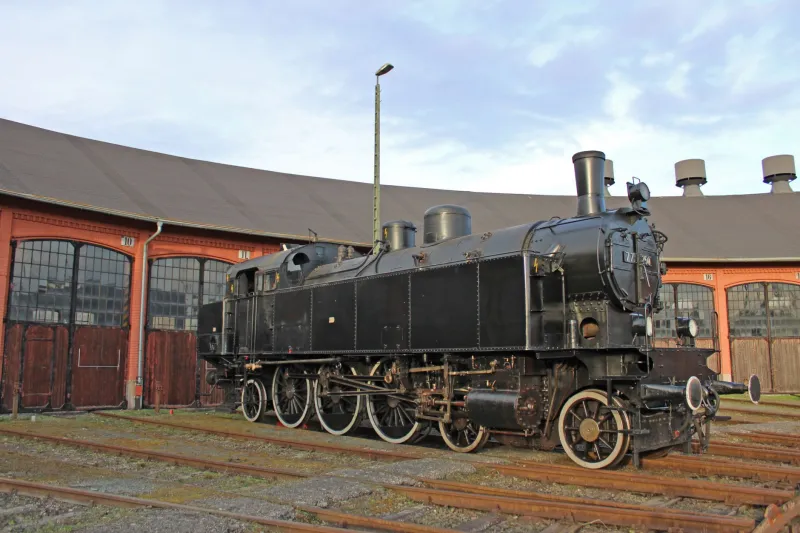
Every American vacation has a birthplace. Most of us assume it was the automobile — the family sedan, the roadside motel, the paper map folded against the dashboard. But the true origin of the American getaway predates the Model T by half a century. It was born on depot platforms, in dining halls that smelled of coffee and fresh bread, and in modest towns that learned, very quickly, how to make a stranger want to stay a while.
Towns like ours.
The Depot Was the Destination
When the railroads stitched across the South and the wider American landscape in the mid-1800s, they did more than move freight and soldiers. They created, almost by accident, a new kind of place: the railroad town. These settlements existed because the train stopped there, and everything about them — the hotel, the eating house, the livery stable, the curious local attractions — was arranged to catch the traveler in motion.
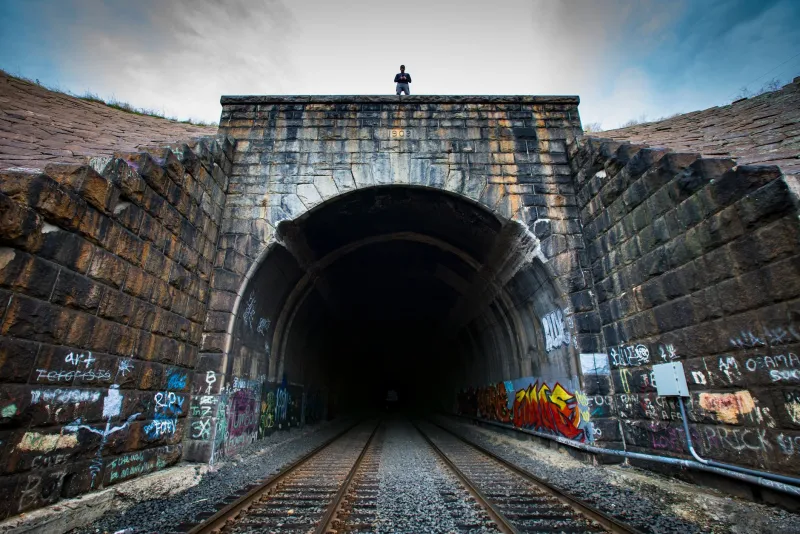
A passenger stepping down onto the platform at a place like Tunnel Hill entered a carefully choreographed world. There were meals to be had during a scheduled stop, trinkets to purchase, views of engineering marvels like the tunnel itself to marvel at, and fellow travelers with stories to trade. The stop was brief, but it was designed to be memorable. In a very real sense, this was marketing — a century before anyone called it that.
Consider what the railroads understood that modern tourism boards are still rediscovering: travelers do not simply want transportation. They want an experience worth retelling.
Dinner, a Show, and a Tunnel
The formula that emerged in the 19th century would be instantly recognizable to anyone who has booked a heritage tour in the past decade. First, feed the traveler well — the railroad eating houses built their reputations on it. Second, entertain them — whether with local color, live music in the hotel parlor, or the simple spectacle of a locomotive vanishing into a hand-hewn mountain tunnel. Third, give them something to take home. The souvenir trade along America's rail lines was thriving long before gift shops had gift shops.
The Western and Atlantic Railroad, on which Tunnel Hill sits, carried soldiers, merchants, families, and fortune-seekers through northwest Georgia. For many, the town was a waypoint. But waypoints, if they are smart, become destinations. The communities along these lines learned to make the most of the twenty minutes a train might linger: a good meal, a striking view, a tale worth carrying to the next city.
The Victorian Road Trip
We tend to imagine Victorian-era Americans as homebodies, but the historical record suggests otherwise. By the 1870s and 1880s, pleasure travel by rail was a booming pastime for the growing middle class. Guidebooks proliferated. Summer excursions were advertised in newspapers with the same enthusiasm we now reserve for airline flash sales. Tourist attractions — natural wonders, battlefields, architectural oddities — competed for the attention of passing rail passengers.
The Civil War battlefields of Georgia and Tennessee became early stars of this new industry. Veterans' reunions, memorial pilgrimages, and curious Northerners traveling south all passed through the region's depots. Tunnel Hill's tunnel and surrounding landscape were part of that itinerary for thousands of travelers who wanted to see, with their own eyes, the places they had read about in newspapers and soldiers' letters.
Sound familiar? Substitute the guidebook for a travel blog and the excursion ticket for an online booking, and you have the modern heritage tourist.
Why We Keep Chasing the Same Thrill
Strip away the technology and the impulse is nearly identical. The traveler who steps off a train in 1875 and the visitor who pulls into our parking lot today are chasing the same sensation: the thrill of encountering a place where something significant happened, and the desire to come away changed by it.
Heritage tourism is often described as a new phenomenon — a growth industry of the past few decades. But it is more accurate to call it a revival. The American appetite for authentic places and true stories is old and deep. What has changed is our ability to preserve those places deliberately rather than leaving them to chance.
That is the work of a heritage center. Where the railroad town of the 1800s improvised its hospitality, we practice it with intention: conserving structures, documenting oral histories, and interpreting the layered past of this hill — the tunnel builders, the soldiers, the workers, the families who stayed.
An Invitation, Then and Now
There is a pleasing symmetry in the fact that so many of America's heritage sites sit along old rail lines. The corridors that once moved the nation are now the routes along which we return to it. Drive the routes of the old W&A or ride a excursion train through the region, and you are retracing the original American road trip — no windshield required.
So the next time someone tells you tourism is a modern invention, offer a gentle correction. The getaway was invented on a depot platform, somewhere between the dining hall and the ticket window, by towns that understood something timeless: people have always been willing to travel for a good story.
We simply try to make sure the story is still here when they arrive.