Drafts, Damp, and Degrees: Reading the Microclimate of Tunnel Hill
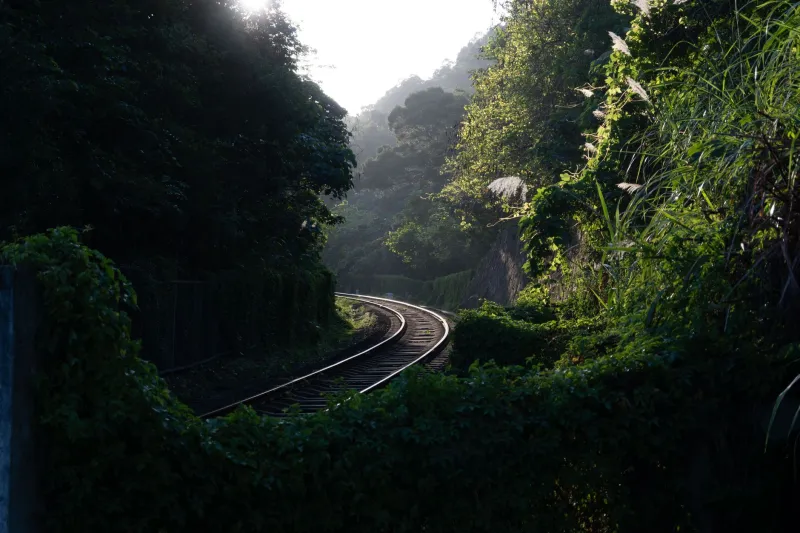
Visitors descending toward the western portal of the historic tunnel often pause mid-stride. The air changes first — a cool, steady exhale that seems to rise from the earth itself. For more than a century and a half, that draft has been the Hill's most reliable weather report, and the people who lived and worked here learned to read it the way sailors read the sky.
A Ridge That Makes Its Own Rules
Tunnel Hill occupies a narrow spine of elevated ground in northwest Georgia, where the terrain funnels wind, sheds rain, and holds cold longer than the valleys below. Nineteenth-century railroad surveys noted the site's elevation with clinical precision, but residents described it more plainly: the Hill was always a few degrees cooler in summer and a touch sharper in winter than the farmland surrounding it.
That difference mattered. Frost arrived earlier on the ridge, extending the muddy season for track crews. Summer thunderstorms, rolling down from the Appalachian foothills, seemed to break directly overhead, soaking the depot yards while the town of Dalton, miles to the south, stayed dry. Local correspondents writing to Atlanta newspapers in the 1870s and 1880s frequently mentioned the weather — not as small talk, but as a genuine force in daily commerce, since a washed-out culvert or a snow-glazed rail could halt the entire line.
The Breath of the Tunnel
The tunnel itself, bored through the ridge in the late 1840s, created something rarer still: a permanent microclimate underground. Because the tunnel connects two portals at slightly different elevations and temperatures, air moves through it almost continuously, a phenomenon engineers call the chimney effect. Warm air drawn in at one end exits cooler at the other, and the result is a steady draft that modern visitors still remark upon in July.
Workers on the original construction noted that the tunnel's interior stayed near a constant temperature year-round — a natural refrigerator in an age before refrigeration at all. Section crews are said to have eaten midday meals near the portal in summer, and travelers on early trains described the sensation of passing through what one diary called "a door of winter set into a Georgia hillside."
That draft also shaped labor. Ice, condensation, and dripping seepage made the bore a demanding workplace in every season, and maintenance schedules in the company's records reflect it: drainage work clustered after spring rains, and timber inspections followed the damp months.
Storms, Seasons, and the Rhythm of the Line
The Hill's weather logs — fragmentary, but revealing — sketch a rhythm of life governed by the ridge. Spring brought the heaviest rains and the most derailment scares. Summer heat expanded rails and slowed schedules. Autumn's dry spells were the favored season for heavy repairs, and winter, though milder than in northern states, still produced ice that closed the tunnel's approaches on more than one occasion.
Weather also threaded its way into local talk. A fog lying on the ridge at dawn could delay a scheduled excursion; a dry August meant dust in the cut and complaint in the taverns. In a town built around the railroad's timetable, the sky was a business partner — and occasionally an adversary.
Experiencing the Hill's Climate Today
For modern travelers, the microclimate is not a curiosity but an invitation. A few practical notes for your visit:
- Dress in layers, even in summer. The tunnel's interior can run ten to fifteen degrees cooler than the surface, and the draft is noticeable year-round.
- Visit in the early morning for atmosphere. Mist on the ridge, particularly in spring and fall, gives a sense of how the terrain looked to soldiers and section crews alike.
- Mind the ground after rain. Historic grades and trails around the site hold moisture; sturdy footwear is wise.
- Winter has its own rewards. With the foliage down, the geometry of the cut, the portals, and the ridge line is easiest to appreciate — and the crowds are thinnest.
Standing at the portal with the cool air moving past you, it is easy to understand why generations of workers, soldiers, and travelers paused to comment on it. The Hill's weather was never merely a backdrop. It was a participant in the story — shaping the labor, the lore, and the landscape that the Heritage Center works every day to preserve.