The Ramp Is Part of the Story: Designing a Nineteenth-Century Site for Every Visitor
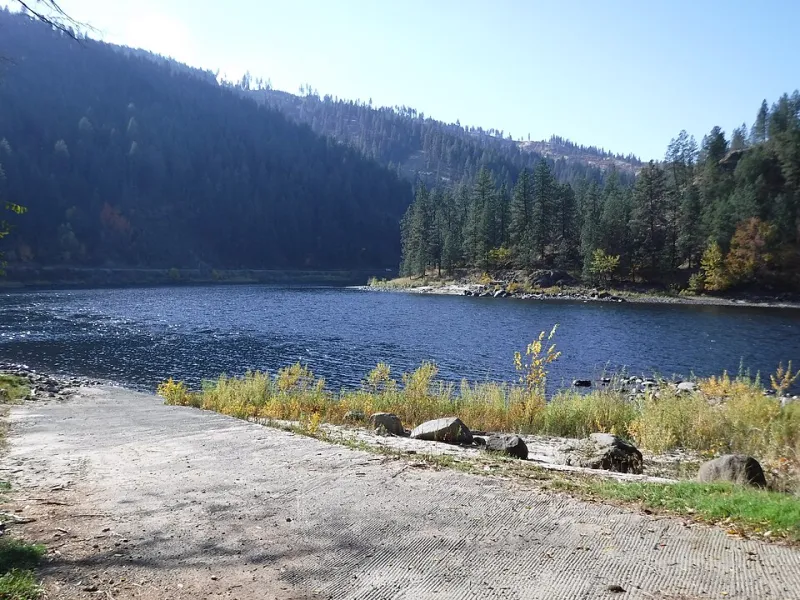
Photo: BLMIdaho, Public domain, via Wikimedia Commons
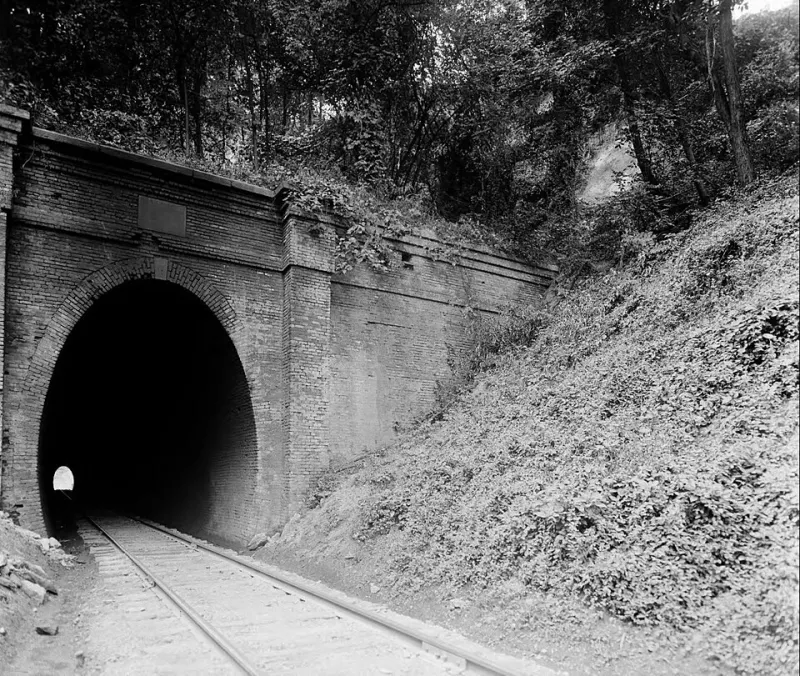
Preservation and accessibility are often described as rivals. The familiar version goes like this: a historic site can keep its fabric or it can open its doors, but it cannot do both. That version is convenient for institutions that would rather not change. It is also false. At a nineteenth-century site like Tunnel Hill, access is not a modern intrusion on the past. It is a condition of the site's continued use. A ramp, a railing, a quiet hour, and a well-trained docent are not compromises with history. They are ways of making history available to the public that owns it.
Preservation Is Not an Argument Against Access
The first step is to separate preservation from paralysis. Historic fabric matters. Original thresholds, brickwork, and gradients should not be destroyed in the name of convenience. But most accessibility improvements can be designed to be reversible, modest, and visually subordinate to the historic resource. A removable ramp can serve a side entrance. A handrail can be finished in a dark tone that recedes against stone. An audio description can be delivered through a borrowed device rather than a permanent wall panel. The question is not whether change is possible. It is which change serves visitors without erasing evidence.
The First Fifty Feet
Access begins before a visitor reaches an exhibit. It begins with the website, the parking area, the path, and the first door. A site that advertises accessibility should describe the actual route: surface, slope, distance, and door width. It should say whether a wheelchair user can reach the ticket desk without asking for help. It should identify the nearest accessible restroom and whether it is unlocked during all open hours. These details are not glamorous. They are the difference between a welcome and a hurdle.
At the Hill, the first fifty feet deserve the same care as any exhibit case. If a gravel path is the only route, a firm and stable surface may be the single most useful intervention. If a historic threshold is too high, a modest threshold ramp may solve the problem without altering the door. If signage is mounted too high, lowering it or adding a duplicate at a lower height costs little and changes everything for a visitor who uses a wheelchair or has limited stamina.
Quiet Hours and Sensory Maps
Accessibility is not only physical. A museum can be a difficult environment for neurodivergent visitors, people with anxiety, and families with young children. Sound, light, crowding, and unpredictable movement all matter. Quiet hours are one of the simplest responses. A site can reserve a weekly hour with reduced audio, dimmed lights where safe, and a posted expectation of calm. It can also publish a sensory map that marks loud areas, flickering lights, tight spaces, and places to sit.
These choices do not weaken a historic site. They make the site more legible. A visitor who knows what to expect is more likely to stay, ask questions, and return.
Training Is Infrastructure
Staff training is often treated as soft work. In practice, it is infrastructure. A docent who knows how to describe an object to a visitor who cannot see it, who understands that a service animal is not a pet, and who can offer a seat without making a visitor feel like a problem is worth more than a new sign. Training should include disability etiquette, plain-language interpretation, and practice with assistive listening devices. It should also include the authority to improvise. A rigid script cannot anticipate every visitor.
Small Choices, Lasting Welcome
The most effective accessibility work is often small: a bench placed where a visitor can rest, a caption written in plain language, a tour route with an alternative, a staff member who notices when someone needs help and asks without assuming. These choices protect the historic fabric because they reduce pressure for destructive renovations. They also honor the public nature of a heritage site.
A nineteenth-century railroad town was built to move people. In the twenty-first century, the Hill can continue that work by designing for the people who arrive now. The ramp is not outside the story. It is part of how the story gets told.