The Unseen Hands: Women Who Built and Sustained the Tunnel Hill Community
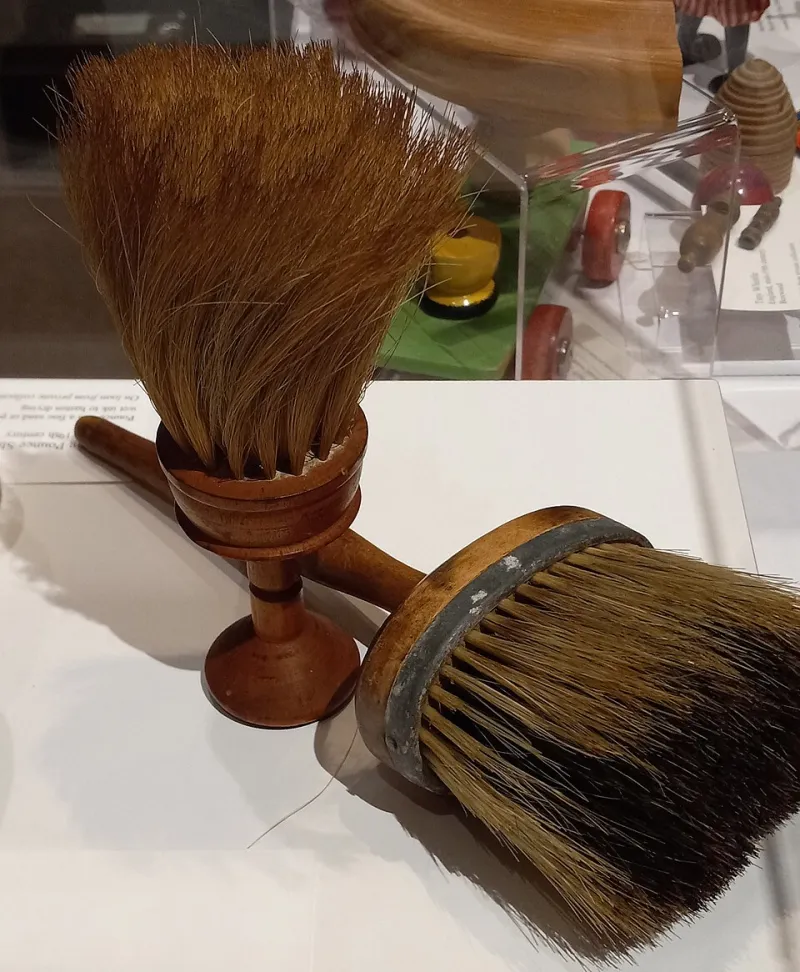
Photo: Gobonobo, CC BY-SA 4.0, via Wikimedia Commons
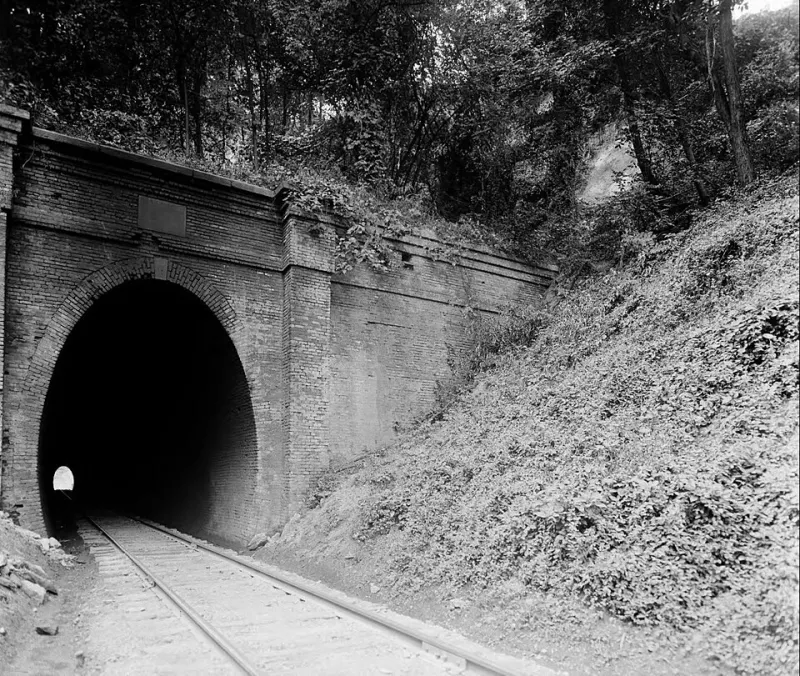
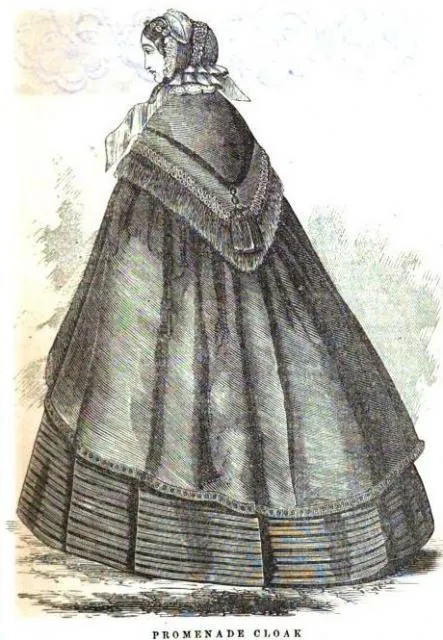
For generations, the story of Tunnel Hill has been told through the achievements of surveyors, engineers, and uniformed soldiers. The great tunnel itself—carved through solid rock by sheer human determination—stands as a monument to 19th-century ambition. Yet behind every boarding house door, every wartime supply line, and every carefully tended community institution, there existed a quieter but equally consequential force: the women of Tunnel Hill. Their contributions, though rarely inscribed on commemorative markers, are woven into the very foundation of this region's identity.
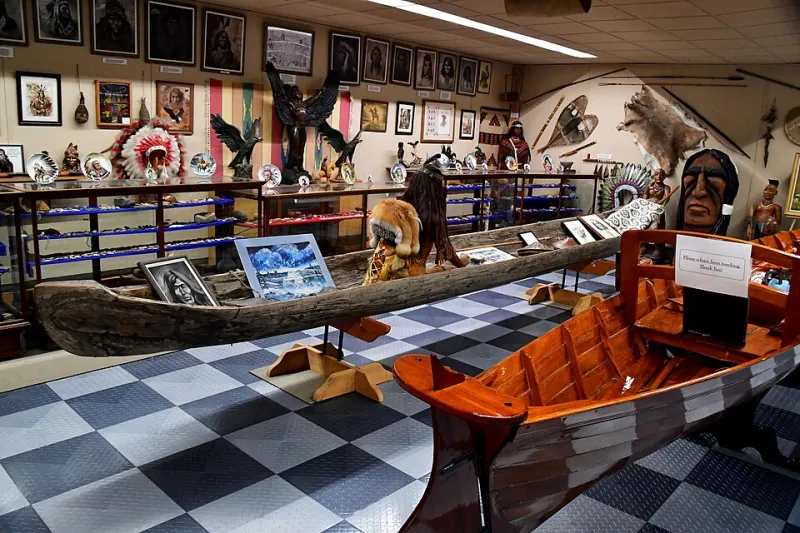
At the Tunnel Hill Heritage Center, ongoing archival research and community outreach efforts have begun to surface a richer, more complete portrait of life on the hill. What emerges is a narrative that challenges long-held assumptions about who truly built this place.
Boarding House Operators: The Logistical Backbone of Construction
When the Western and Atlantic Railroad undertook the monumental task of boring through Chetoogeta Mountain in the 1840s, the project demanded not only skilled laborers but also a functioning domestic infrastructure to sustain them. Hundreds of workers—many of them Irish immigrants—required shelter, meals, and a degree of social order in what was otherwise a rugged and isolated landscape.
It was largely women who provided that infrastructure. Boarding house operators along the Tunnel Hill corridor managed the daily rhythms of these transient communities with remarkable efficiency. Account books and correspondence preserved in regional archives indicate that women such as Margaret Flanagan and unnamed others negotiated directly with railroad contractors over lodging rates, maintained strict household accounts, and at times extended credit to workers during lean pay periods.
These were not passive domestic arrangements. Running a boarding house in mid-19th-century rural Georgia required business acumen, physical stamina, and an ability to manage conflict among men far from home. Oral histories collected by the Heritage Center from descendant families describe grandmothers and great-grandmothers who "kept order on the hill" with as much authority as any foreman.
Wartime Nurses and the Civil War's Domestic Front
When the Civil War transformed Tunnel Hill from a railroad hub into a strategic military corridor, the region's women again found themselves at the center of consequential events. The area changed hands multiple times between 1863 and 1864, and with each transition came the wounded, the displaced, and the desperate.
Local women served as informal nurses long before formal medical corps arrived. Diaries held in the Heritage Center's collection—several written by women who identified themselves only by initials, a common practice of the era—describe the improvised care stations established in private homes and church buildings. These accounts document the procurement of medicines, the preparation of surgical dressings, and the emotional labor of comforting soldiers on both sides of the conflict.
One particularly striking entry, dated to the spring of 1864, describes a woman negotiating with a Union officer for the safe passage of a wounded Confederate soldier she had sheltered. The document is a testament not only to individual courage but to the complex moral navigation that wartime demanded of civilian women throughout the American South.
The Heritage Center's education staff has incorporated several of these firsthand accounts into its interpretive programming, offering visitors an opportunity to engage with the war's human dimensions beyond troop movements and battlefield statistics.
Entrepreneurs and Preservationists: Carrying the Community Forward
In the decades following the Civil War, Tunnel Hill faced the challenge common to many small American communities: the risk of demographic decline and cultural amnesia. It was during this period that a number of women emerged as active stewards of local memory and economic renewal.
Several operated small mercantile businesses that served as informal community anchors, providing goods, credit, and gathering spaces during the difficult years of Reconstruction. Others took on roles as schoolteachers, which in rural Georgia often meant not only instructing children but also maintaining the only reliable repository of community knowledge in the absence of formal institutions.
Perhaps most significantly for the purposes of historical preservation, a handful of women in the late 19th and early 20th centuries actively collected and safeguarded artifacts, letters, and photographs that might otherwise have been lost. Local historical societies, many of them founded or sustained by women's civic organizations, served as the precursors to what would eventually become the Tunnel Hill Heritage Center itself.
Researchers examining the Heritage Center's founding documents have noted that women's groups were instrumental in the early campaigns to protect the tunnel structure from neglect and commercial encroachment. Their advocacy, conducted through petition drives, letter-writing campaigns, and community fundraising, established the preservation ethic that continues to guide the institution today.
Recovering Their Stories: The Archival Work Ahead
Despite the evidence that has already been recovered, Heritage Center staff and affiliated historians acknowledge that significant gaps remain. Many women who shaped this community left no formal records under their own names. Property deeds were held by husbands, business licenses were issued to male relatives, and newspaper coverage of women's activities was sporadic at best.
Closing these gaps requires creative archival methodology. Researchers are currently cross-referencing census data with church records, estate inventories, and the correspondence of male contemporaries who made passing reference to the women in their lives. Descendant families have also proven to be valuable partners; several have donated personal papers, photographs, and handed-down objects that add texture and specificity to the broader historical record.
The Heritage Center invites visitors and community members who possess family documents, photographs, or oral traditions connected to Tunnel Hill's history to reach out through its collections inquiry program. Every contribution, however modest it may seem, has the potential to restore another name, another story, another unseen hand to its rightful place in the historical record.
A More Complete History
The story of Tunnel Hill is not diminished by expanding its cast of characters. On the contrary, it becomes more vivid, more human, and more truthful. The women who operated boarding houses in the shadow of the mountain, who nursed the wounded in their parlors, who argued before civic bodies for the preservation of a tunnel they recognized as irreplaceable—these individuals were not peripheral to history. They were among its principal authors.
The Tunnel Hill Heritage Center is committed to telling that complete story. Through its exhibits, educational programs, and ongoing archival initiatives, the institution works to ensure that the hill's history belongs to everyone who helped build it.