Four Seasons on the Hill: Your Year-Round Guide to Visiting Tunnel Hill's Heritage Sites
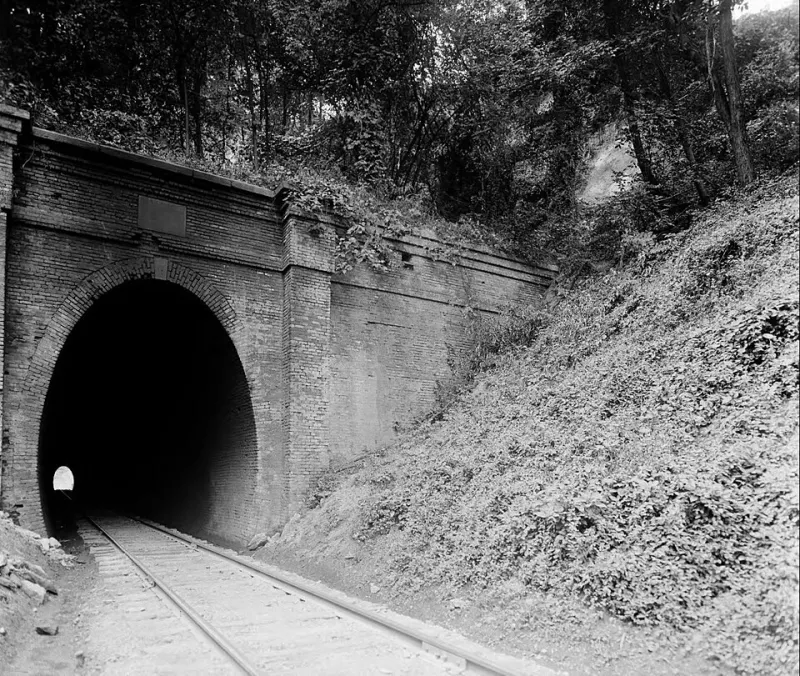
Photo: Holsinger, Rufus W., Public domain, via Wikimedia Commons
Tunnel Hill, Georgia is not a destination that belongs to any single season. The historic community nestled in Walker County — home to one of the most significant surviving Civil War-era railroad tunnels in the American South — offers a genuinely different experience to visitors who arrive in January versus those who come in July. Weather, foliage, programming schedules, and even the emotional resonance of the landscape itself shift meaningfully across the calendar year.
Whether you are a meticulous planner mapping out a family road trip months in advance or a spontaneous traveler passing through the region on a weekend drive, this guide will help you understand what each season offers — and how to make the most of your time on the hill.
Spring: Renewal, Reflection, and the Return of History Enthusiasts
Best months: March through May
Spring arrives at Tunnel Hill with a gradual brightening — dogwoods blooming along the ridge lines, temperatures climbing into comfortable ranges, and the first significant wave of visitors returning to the region's heritage sites after the quieter winter months.
For history travelers, spring carries particular resonance in this part of Northwest Georgia. The Atlanta Campaign of 1864, during which the Western and Atlantic Railroad tunnel at Tunnel Hill played a strategic role, unfolded largely in the spring and early summer months. Walking the grounds in April or May, when the light and temperature approximate those experienced by soldiers on both sides of the conflict, can lend a powerful immediacy to the experience.
Spring is also an excellent time to explore the outdoor elements of the Tunnel Hill Heritage Center campus before summer heat becomes a factor. The tunnel itself maintains a consistent interior temperature regardless of season, but the surrounding landscape is especially appealing when temperatures remain mild. Wildflowers are frequently visible along the paths adjacent to the historic corridor, and the tree canopy — not yet fully leafed out in early March — allows for longer sightlines across the terrain.
Practical considerations: Spring weather in Northwest Georgia can be unpredictable. Afternoon thunderstorms are common from April onward, so visitors are advised to plan outdoor exploration for morning hours and check local forecasts before departing. Comfortable walking shoes with adequate grip are recommended for the uneven terrain near the tunnel entrance.
Summer: Full Programming, Family Activities, and Living History
Best months: June through August
Summer represents the peak season for heritage tourism in Tunnel Hill, and with good reason. The Tunnel Hill Heritage Center offers its most expansive programming calendar during these months, including living history demonstrations, guided interpretive tours, and special events designed specifically for families traveling with children.
Living history presentations — in which costumed interpreters portray figures from the Civil War era and the railroad's operational history — are among the most memorable experiences available to summer visitors. These programs bring the site's historical narrative to life in ways that static exhibits alone cannot achieve, making them particularly effective for younger audiences who benefit from interactive engagement.
The longer days of summer also allow for extended exploration. Visitors who arrive in the morning can move through the Heritage Center's indoor galleries, participate in a guided tunnel tour, and still have ample daylight remaining for a walk along the adjacent trail system.
Practical considerations: Summer temperatures in Walker County regularly exceed 90 degrees Fahrenheit, and humidity levels can make midday outdoor activity uncomfortable. Visitors are strongly encouraged to arrive early, carry adequate water, and plan the most physically demanding portions of their visit for before 10 a.m. or after 4 p.m. Sunscreen and hats are advisable for extended outdoor time. Families with young children should confirm programming schedules in advance, as specific events may require registration.
Autumn: The Most Visually Striking Season for Heritage Travel
Best months: September through November
Many experienced heritage travelers regard autumn as the finest season to visit Tunnel Hill. The combination of cooling temperatures, reduced crowds following the summer peak, and the spectacular foliage of the Appalachian foothills creates conditions that are difficult to surpass.
The ridges and hollows surrounding the tunnel corridor transform dramatically from mid-October through early November, when hardwood trees across the landscape shift into their full autumn palette. The visual contrast between the dark stone of the tunnel's portal and the surrounding color is particularly striking during this period, making it a favorite among photographers and those who wish to experience the site's aesthetic dimension alongside its historical significance.
Autumn also marks the anniversary period of several key events in the region's Civil War history, and the Heritage Center typically observes these occasions with commemorative programming. Check the center's events calendar for specific dates, as these observances often include presentations by historians, authors, and preservation specialists.
Practical considerations: Autumn weekends, particularly during peak foliage in October, can attract higher visitor volumes than one might expect for the off-season. Arriving on a weekday, if your schedule permits, will generally provide a more unhurried experience. Morning fog is common through late October and into November, occasionally affecting visibility along outdoor paths but also contributing to the atmospheric quality of the landscape.
Winter: Quiet Contemplation and an Intimate Encounter with the Past
Best months: December through February
Winter is the season of the thoughtful traveler. Visitor numbers drop substantially after the holiday period, and those who make the journey to Tunnel Hill in January or February are rewarded with a profoundly different experience — one characterized by solitude, stillness, and an unhurried pace that allows for genuine reflection.
The bare winter landscape reveals the topography of the hill in ways that summer foliage conceals. The earthworks and cuts associated with the railroad's original construction become more legible when vegetation is minimal, and the relationship between the terrain and the strategic decisions made here during the Civil War becomes easier to visualize. For serious students of military history and railroad heritage, winter offers a clarity of perspective that other seasons cannot provide.
The Heritage Center's indoor galleries and exhibits are, of course, fully accessible and climate-controlled throughout the winter months. Staff members often have more time for extended conversation with visitors during this quieter period, creating opportunities for in-depth discussion that may not be as readily available during the summer rush.
Practical considerations: Operating hours at some heritage sites in the region may be reduced during winter months. Visitors are strongly advised to confirm hours and any seasonal closures before planning their trip. Temperatures can drop below freezing on winter nights, and ice on elevated paths or stone surfaces near the tunnel entrance can present hazards. Layered clothing and waterproof footwear are recommended.
Planning Your Visit Across Any Season
Regardless of when you choose to come, Tunnel Hill's heritage landscape offers something of enduring value to every visitor. The history embedded in this place — the engineering ambition of the Western and Atlantic Railroad, the strategic calculations of Civil War commanders, the daily lives of the workers and families who shaped this community — does not diminish with the changing of seasons. It simply presents itself differently, asking each visitor to engage with it on its own seasonal terms.
For current programming schedules, admission information, and seasonal event details, visit tunnelhillheritagecenter.com or contact our visitor services team directly. We look forward to welcoming you to the hill in whatever season finds you ready to explore.